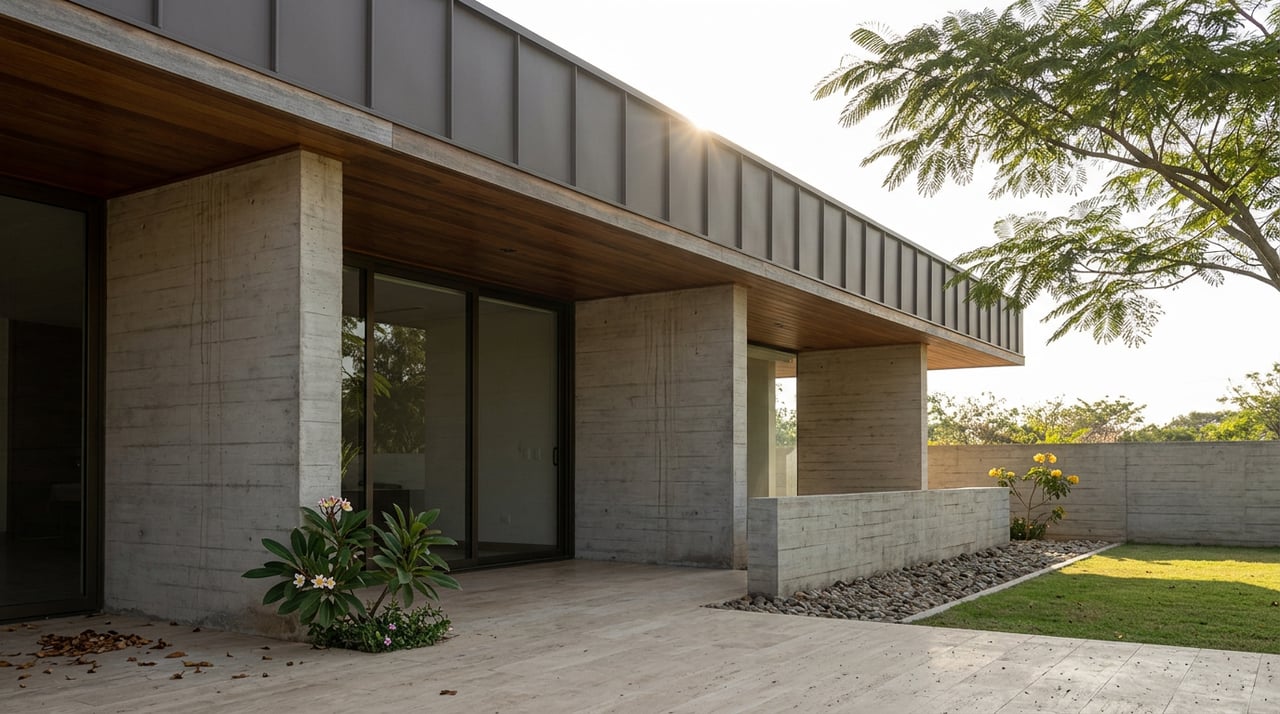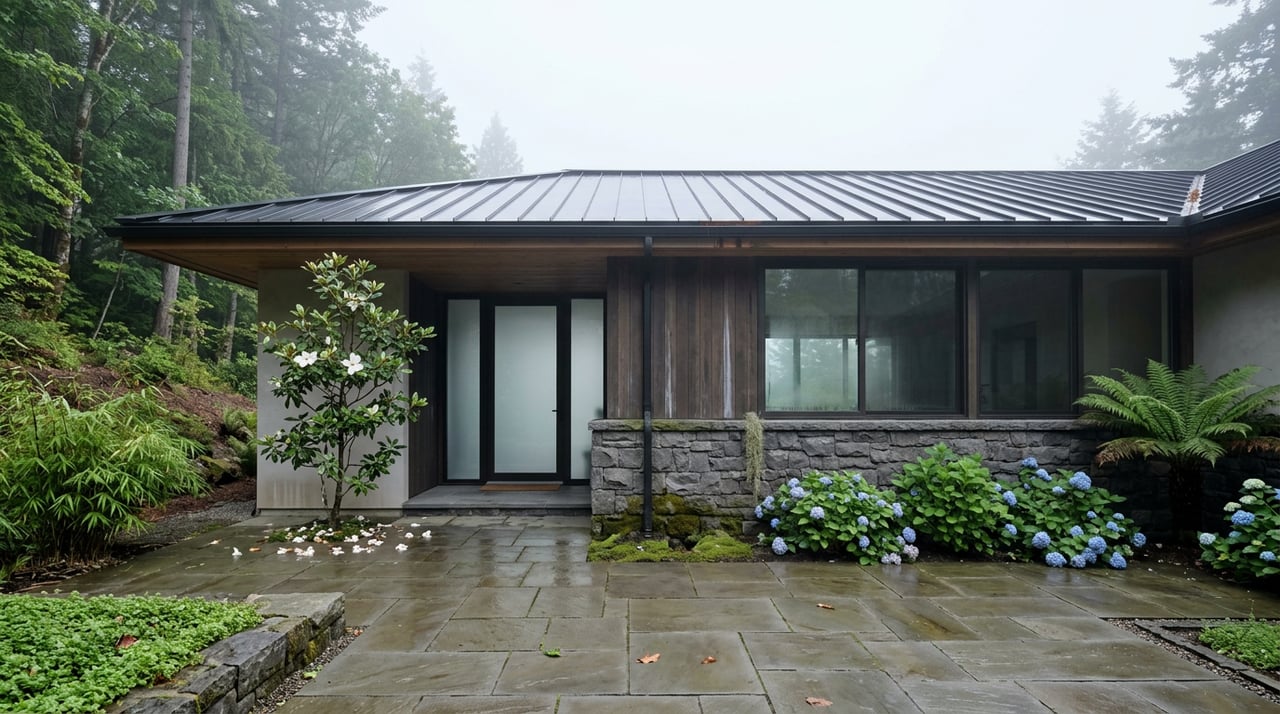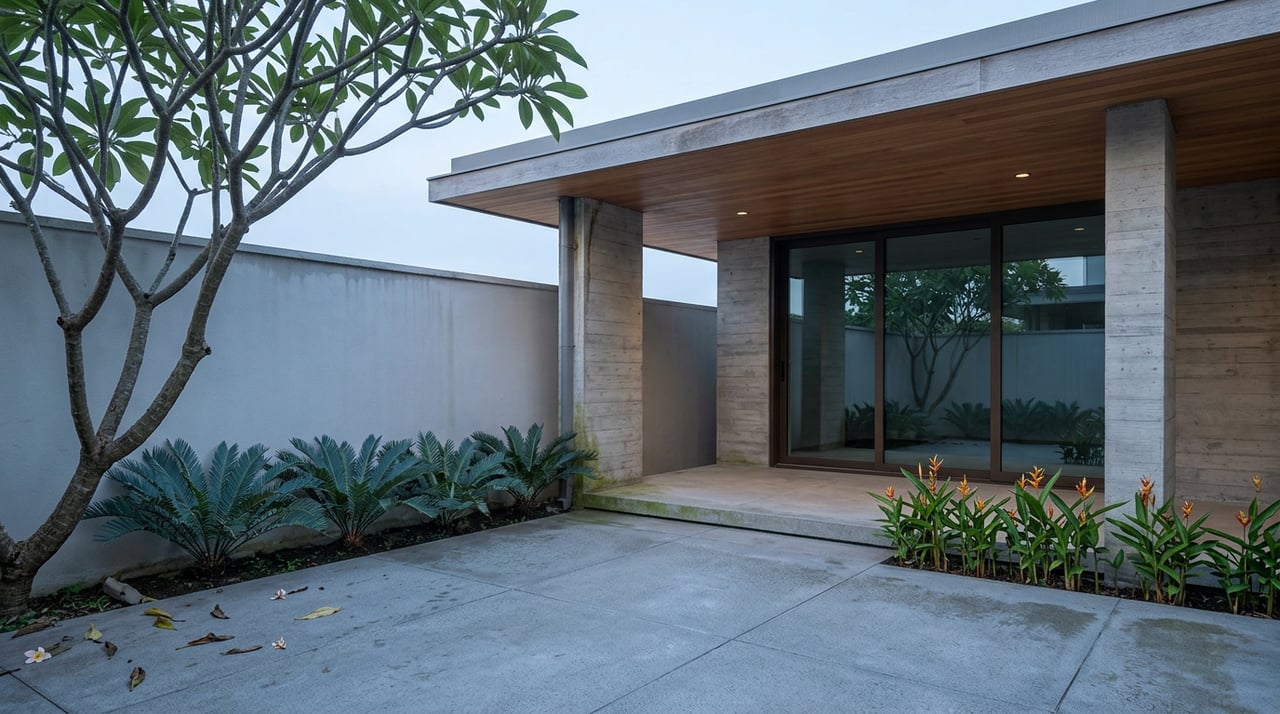
Walk down Calle 33 on a weekday morning and the first thing you notice isn't a menu board. It's the smell of bread. Fresh sourdough, from a micro-bakery called Amasa, drifting out of a building that three months ago was just another converted house on a residential block. The bakery shares that building with a theater academy, a small-format performance space, and a textile and puppetry studio with an environmental bent. None of it serves ceviche. None of it has a wine list. And that's exactly why it's worth paying attention to.
For a decade, the story of Barrio Escalante has been told the same way: quiet coffee neighborhood turns into San José's restaurant row, one opening at a time. That story isn't wrong. It's just no longer the interesting part. If you've lived here through the last two years, the thing that's actually changed isn't how many restaurants opened. It's that the neighborhood grew a system for organizing itself, and the newest thing to plug into that system has nothing to do with food.
The List Everyone Already Has
You don't need another rundown of where to eat in Escalante. You've seen it. Sikwa, chef Pablo Bonilla's contemporary take on Costa Rican cooking, still shows up on every list that matters. Cafeoteca still pulls in people looking for a proper flat white and a quiet corner. Franco still does the best version of breakfast on Calle 33, and Apotecario still pairs a cocktail program with a kitchen that takes its ingredients seriously. Olio, which opened back in 2002, is still the reason any of this exists in the first place. It was the first place on this street to prove that a serious kitchen could survive in what was, at the time, a sleepy residential district of mid-century houses and long-time families.
That list isn't the news. It's the baseline. What's changed is what sits around it.
What Distrito G Actually Coordinates
In late 2024, a group of neighborhood business owners launched something called Distrito G, a collective that now includes more than 45 restaurants, galleries, design studios, and cafes across the barrio. It isn't a chamber of commerce in the bureaucratic sense. It's closer to a shared calendar and a shared identity, run by director Mónica Mendoza, whose stated goal is to turn scattered independent openings into something residents can actually track and show up for.
The clearest proof of what that looks like happened last November, when Distrito G filled the open-air space at Jardín de Lolita with a ten-day Colombian food festival. Restaurants across the collective built one-off dishes around the theme: Agüizotes did smoked rib, Árbol de Seda did a version of suspiro de la sabana, Chocolates Theo turned out a Colombian merengón. It wasn't a one-restaurant promotion. It was ten days where a dozen kitchens across the neighborhood were all pointed at the same idea, and a batch of local vendors set up alongside them in the garden. Distrito G has run similar themed programming built around Afro-Costa Rican food and literary heritage.
If you're trying to actually experience Escalante the way a longtime resident does, this is the detail that matters more than any single restaurant name. The neighborhood doesn't just have good food scattered across a few blocks anymore. It has a working calendar, and the way to plan a week here now is to check what Distrito G has scheduled next, not just which restaurant has the shortest wait.
Espacio 33 Is the Tell
Which brings us back to the bakery.
Espacio 33 opened in June 2026, and it's the clearest sign yet that the neighborhood's growth has stopped being purely gastronomic. The project, driven by Lili Biamonte, converted a residential property into a permanent home for four separate ventures: Amasa, the sourdough bakery; Casa Maga, an actor training academy; Micro Teatro, a small-format performance venue; and Dedos de Colores, a textile and puppetry project built around environmental and human rights themes.
None of that is a restaurant concept dressed up as something else. It's an actual bet that Escalante can support creative infrastructure that has nothing to do with a menu. That bet only makes sense if the neighborhood already has the foot traffic, the reputation, and the organizational muscle to support it, which is exactly what a year and a half of Distrito G programming has built.
Here's a quick way to see how fast this has moved:
| Year | What happened | What it signaled |
|---|---|---|
| 2002 | Olio opens on Calle 33 | Proof a serious kitchen could work in a residential district |
| Dec 2024 | Distrito G launches with 45+ member businesses | The neighborhood organizes itself into a shared calendar and identity |
| Nov 2025 | Ten-day Colombian food festival at Jardín de Lolita | The collective proves it can run coordinated programming across multiple kitchens at once |
| Jun 2026 | Espacio 33 opens | The first major anchor that isn't built around food at all |
Eighteen months separate the second and fourth rows of that table. That's not a slow drift. That's a neighborhood adding a new kind of institution roughly as fast as it can absorb one.
The Park That Never Changed
None of this would work the same way without Parque Francia, and it's worth saying why. The park was inaugurated in 1964 on land donated by the Robert family, decades before anyone thought to call this a food district. It's still the closest thing Escalante has to a living room. People walk dogs there in the morning before the restaurants open. Kids use it after school. It's the pause between one converted house that now serves natural wine and another that now teaches acting.
The reason Escalante still feels like a neighborhood and not a theme park built around dining is that Parque Francia has been sitting at its center the entire time the restaurants and now the creative spaces built up around it. Time Out included Escalante on its list of the world's coolest neighborhoods, and that kind of recognition tends to go to places that kept their residential texture while everything else around them changed. A park that's been there since 1964 is a big part of why that texture survived.
How to Actually Read a Week Here
If you're new to paying attention to this rhythm, here's the practical version. A tourist week in Escalante looks like a restaurant crawl down Paseo Gastronómico La Luz, the stretch of Calle 33 where the highest concentration of kitchens sits. A resident's week looks different:
- Check Distrito G's calendar before you check any single restaurant's hours. Themed festivals and pop-up markets happen on their schedule, not the tourist calendar, and they're the fastest way to try five kitchens in one visit.
- Treat Espacio 33 as a second axis of the neighborhood, not a side note. A morning coffee and bread run there now sits alongside a dinner reservation at Sikwa as a normal Tuesday, not an either-or choice.
- Use Parque Francia as the reset point. It's still where the neighborhood breathes between one converted house and the next, and it's the easiest way to tell whether a block is genuinely residential or has fully turned commercial.
- Don't assume the current list of names is the final one. Escalante has proven, twice now in the space of about eighteen months, that it can absorb an entirely new kind of business and make room for it without losing what made the last one work.
The restaurants aren't going anywhere, and neither is the reputation. What's worth tracking now is the infrastructure underneath it, the collective that turns individual openings into shared programming, and the new kinds of spaces that infrastructure is starting to support. A bakery that shares a building with a theater academy isn't a footnote to the Escalante story. It's the next chapter of it.
If you're curious about what else is shifting across San José's neighborhoods, or want a local read on any of Costa Rica's coastal and interior markets, the team at Engel & Völkers Costa Rica keeps a close eye on the details that don't make the general guides.