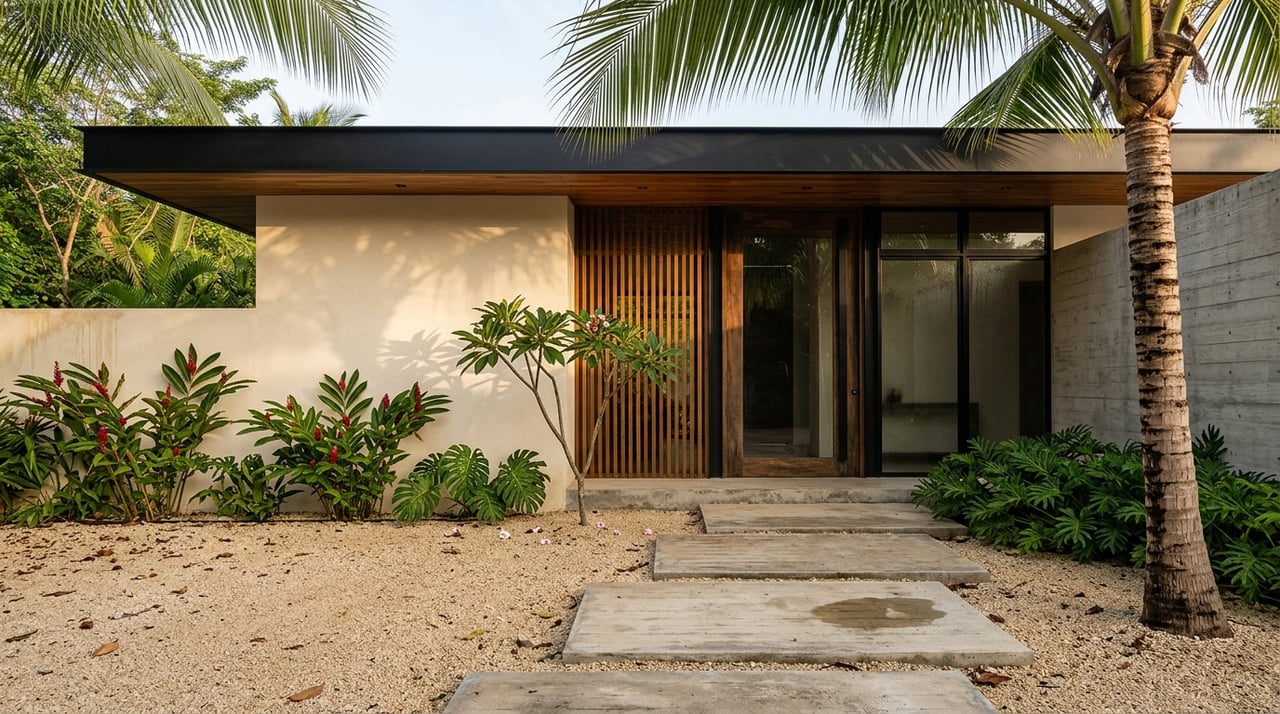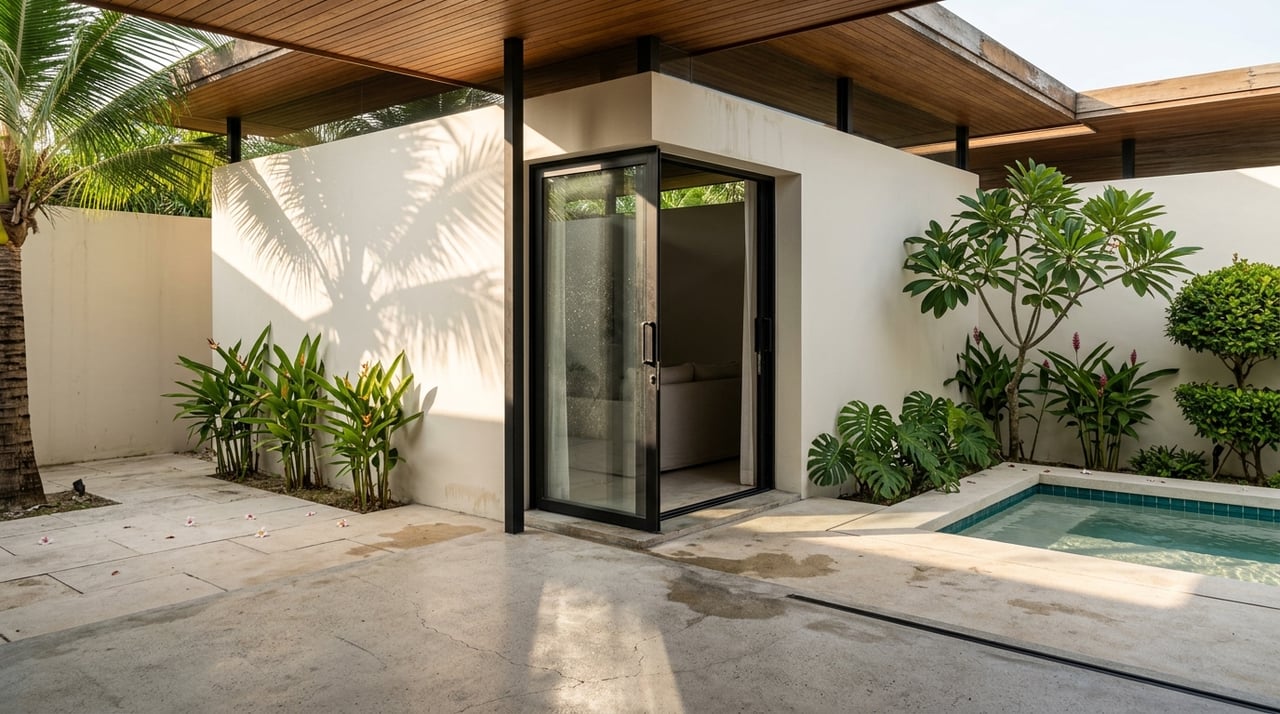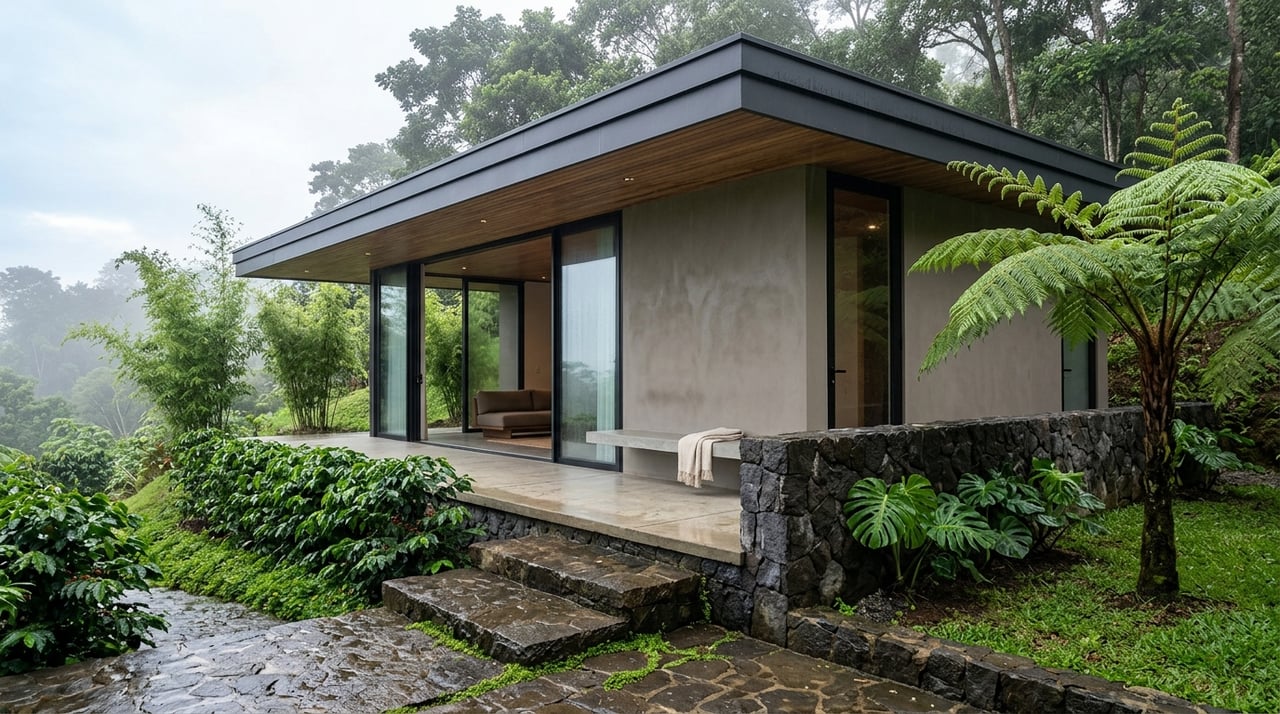
Trying to choose between Costa Rica’s Southern Zone and Guanacaste? It is a smart question, especially if you are buying from abroad and want your property choice to match the lifestyle you actually plan to live. While both coasts sit on the Pacific and both attract buyers looking for beauty, privacy, and long-term value, they offer very different day-to-day experiences. This guide will help you compare climate, access, pace, market signals, and ownership considerations so you can decide which coast fits you best. Let’s dive in.
Two Pacific Coasts, Two Lifestyles
At a high level, the Southern Zone and Guanacaste are two very different Pacific products. Costa Rica’s South Pacific, which includes the Osa, Golfito, Puerto Jiménez, and the Dominical, Uvita, Ballena, and Ojochal corridor, is defined by biodiversity and nature-led travel, with places like Corcovado, Marino Ballena, and Golfo Dulce featured by Visit Costa Rica. Guanacaste, by contrast, is the country’s northwestern Pacific tourism region, with major centers such as Liberia, Papagayo, Coco, Flamingo, Conchal, Tamarindo, and Sámara.
For most buyers, the difference comes down to feel. Guanacaste tends to offer a more resort-driven, airport-connected experience, while the Southern Zone appeals to buyers who want a greener, more conservation-oriented setting. Neither is better across the board. The right choice depends on the trade-offs you are comfortable making.
Climate Differences Matter
Guanacaste Offers a Drier Pattern
If weather consistency is high on your list, Guanacaste often stands out. According to the Guanacaste climate guide from Visit Costa Rica, the dry period runs from December through March, and only 4% of the region’s annual rainfall falls during those months.
That dry-season pattern shapes the buyer experience in a real way. You can generally expect a more predictable beach climate, more sunshine during peak travel months, and a landscape known for tropical dry forest and coastal scenery. For second-home owners or buyers who want frequent seasonal use, that reliability can be a major advantage.
Southern Zone Means Green, Humid, and Lush
The Southern Zone is a different kind of Pacific experience. The Marino Ballena area is described by SINAC as hot, rainy, and very humid, with a dry season from mid-December to mid-April and a rainy season from mid-April to mid-December.
Visit Costa Rica also notes that the South Pacific averages 197 inches of rain annually and highlights the region’s exceptional biodiversity. If your idea of Costa Rica includes rainforest edges, strong wildlife presence, and a greener visual setting year-round, the Southern Zone may feel more aligned with what you are seeking.
Access Can Shape Ownership Experience
Guanacaste Has the Airport Advantage
For international buyers, ease of travel often matters just as much as the property itself. Guanacaste benefits from Daniel Oduber Quirós International Airport in Liberia, which handled 881,289 air tourist arrivals in 2024, representing about 33.1% of Costa Rica’s national air arrivals, according to the Costa Rican Tourism Board.
That level of traffic supports a more connected ownership experience. It can mean simpler arrivals for you, easier logistics for visiting family and guests, and stronger support for tourism-centered coastal hubs. If convenience and repeat access are central to your purchase goals, Guanacaste has a structural edge.
Southern Zone Relies More on Road Corridors
The Southern Zone is more corridor-dependent. SINAC identifies access to Marino Ballena via the South Inter-American Highway, and Costa Rica’s public works ministry reported rehabilitation work in 2025 on 51.2 kilometers of the Costanera Sur, including the Dominical, Uvita, and Punta Mala corridor.
Regional air access exists, but it does not mirror Guanacaste’s international-gateway model. The national aerodrome system includes local airstrips such as Palmar Sur, Quepos, Puerto Jiménez, San Isidro del General, and San Vito, which reinforces that this coast is served differently. For some buyers, that slower approach is part of the appeal. For others, it is a practical factor that needs careful consideration.
Services and Daily Convenience
The two regions also differ in service density. In the South Pacific, Visit Costa Rica describes San Isidro del General as the largest city in the south, noting its growth in services and tourism, while Golfito is described as having commercial and tourism services, a hospital, an airfield, and a wharf.
Guanacaste’s tourism nodes are more numerous and closely linked, with Liberia and Santa Cruz serving as important commercial centers. That does not mean one region has everything and the other does not. It means your daily rhythm may look different depending on where you buy, especially if you plan to split time between leisure use, rental use, or full relocation.
Price Expectations May Be Closer Than You Think
Many buyers assume the Southern Zone is always the lower-priced option. The available data suggests the gap is not always that wide.
Global Property Guide’s Costa Rica price history analysis reported that in July 2025 Guanacaste averaged $2,990 per square meter for apartments and $1,582 per square meter for houses, while Puntarenas averaged $2,501 per square meter for apartments and $1,582 per square meter for houses. Since Puntarenas includes much more than the Southern Zone, this is only a broad proxy, but it still shows both coasts operating in premium territory.
For a luxury or lifestyle buyer, that is an important point. The decision is often less about finding a “cheap coast” and more about choosing the region where your preferred micro-location, property type, and ownership goals align best.
Market Pace and Liquidity
If resale flexibility matters to you, Guanacaste appears to have somewhat stronger market velocity. Based on a June 2025 brokerage report summarized in the research, Guanacaste and Nicoya showed inventory up 21.96% with days on market described as stable, while Central and South Pacific inventory was up 7.01% and listings were taking about 374 days. A March 2025 snapshot from the same source showed Guanacaste and Nicoya with the shortest days on market at 232 days.
The clean takeaway is not that one market is strong and the other is weak. It is that Guanacaste appears to offer slightly faster liquidity, while the Southern Zone remains a lifestyle-driven market that may require more patience. If your purchase includes an investment lens, that difference deserves attention.
Both Provinces Remain Active
Supply-side data shows ongoing activity in both provinces. INEC reported that in 2024 Guanacaste accounted for 16.6% of construction works and 18.8% of construction area, while Puntarenas accounted for 15.3% of construction works.
INEC also found that from 2011 to 2022, Puntarenas and Guanacaste were the fastest-growing provinces in housing stock. Both also had high shares of vacant homes, 19.3% in Puntarenas and 19.4% in Guanacaste, which INEC associates with transitory vacation use. For buyers, that supports the view that both coasts remain active lifestyle and second-home markets.
Which Coast Fits Your Priorities?
Choose Guanacaste If You Want Ease
Guanacaste may be the better fit if you value:
- Easier international access through Liberia
- A more established resort and hospitality ecosystem
- A drier climate during peak travel months
- Stronger day-to-day convenience in clustered tourism hubs
- Potentially faster liquidity if resale matters
If your ideal ownership experience includes frequent visits, smoother travel planning, and a polished beach-market environment, Guanacaste often checks those boxes.
Choose the Southern Zone If You Want Nature
The Southern Zone may be the better fit if you value:
- A greener, wetter, more rainforest-adjacent setting
- Strong biodiversity and nature-based experiences
- A slower pace tied to surf, wildlife, and conservation
- A lifestyle centered more on scenery and privacy than resort density
- A property choice driven by place and atmosphere first
If you are drawn to Costa Rica for its ecological richness and want a coast that feels more immersive and less built around airport-led convenience, the Southern Zone can be deeply compelling.
One Due Diligence Point to Never Skip
No matter which coast you choose, coastal ownership due diligence is essential. Costa Rica’s Law on the Maritime-Terrestrial Zone defines a 200-meter strip along the coast, and properties in that zone are not standard fee-simple beachfront ownership.
That means you should never assume a beachfront listing is held like a typical titled property. A proper title and concession review is a critical step before moving forward, especially if you are purchasing from abroad and relying on listing language alone.
The Best Coast Is the One That Matches You
The real decision is not whether Guanacaste or the Southern Zone is objectively better. It is whether you want more access and a drier, more resort-connected environment, or more nature and a greener, slower coastal lifestyle.
For many cross-border buyers, that clarity only comes after looking beyond photos and asking better questions about climate, travel logistics, usage patterns, and long-term goals. If you want guidance tailored to your lifestyle, investment goals, or relocation plans, connect with Dawn Wolfe for a more curated conversation about Costa Rica’s coastal markets.
FAQs
Which Costa Rica coast is drier, Guanacaste or the Southern Zone?
- Guanacaste is drier, with a more pronounced dry season from December through March, according to Visit Costa Rica.
Which Costa Rica coast is greener and wetter?
- The Southern Zone is wetter, more humid, and more lush, with Marino Ballena and the broader South Pacific known for heavy rainfall and strong biodiversity.
Which coast is easier for international travel in Costa Rica?
- Guanacaste is generally easier for international travel because of Daniel Oduber Quirós International Airport in Liberia.
Are Southern Zone properties always cheaper than Guanacaste properties?
- No. Available pricing data suggests both markets are in premium coastal territory, and the final price often depends more on micro-location and property type than broad regional averages.
What legal issue should buyers check on either coast?
- Buyers should confirm whether a property falls within the 200-meter Maritime-Terrestrial Zone and verify title or concession status before assuming standard beachfront ownership.