What if your day started with birdsong, a quick look at the rain forecast, and a drive framed by jungle and ocean instead of traffic lights and packed schedules? For many people considering Costa Rica’s Southern Zone, that slower, nature-first rhythm is exactly the appeal. If you are wondering what daily life actually feels like in this part of the country, this guide will help you picture the pace, practical realities, and personality of the area. Let’s dive in.
Southern Zone Life at a Glance
Costa Rica’s Southern Zone is best understood as a low-density coastal region shaped more by nature than by resort-style development. In broad terms, it includes places like Dominical, Uvita, Ojochal, and Drake Bay, with the wider South Pacific and Osa corridor stretching south toward Golfito and the Golfo Dulce.
That regional identity matters in everyday life. Instead of a dense beach strip packed with urban conveniences, you will find a more spread-out lifestyle where privacy, scenery, and outdoor access often take priority over speed and convenience.
Weather Shapes Your Routine
In the Southern Zone, the climate is not background scenery. It helps set your schedule. Official South Pacific climate guidance notes that rainfall increases toward the south, the dry season generally runs from January to March, and temperatures stay warm throughout the year.
For you, that often means planning errands, drives, and outings around the weather. Early starts are common, especially when rain tends to build later in the day. It also means paying attention to road and trail conditions as part of normal life.
Getting Around Takes Planning
Daily life here depends heavily on access. Route 34 is the main corridor between key towns such as Dominical and Uvita, and recent resurfacing work reported by MOPT highlights just how important that road is for everyday movement.
If you live in the Southern Zone, a simple day might include driving for groceries, appointments, beach access, deliveries, or dining. The region rewards flexibility, but it also asks you to think ahead more than you might in a more urban market.
How Each Southern Zone Town Feels
Dominical Feels Casual and Surf-Centered
Dominical has a loose, outdoorsy feel that many people immediately notice. Official tourism sources describe Dominical Beach as a strong-wave surf beach, and the town itself has a mix of services and shops that support day-to-day needs.
In practical terms, that creates a rhythm that feels casual rather than highly structured. You might spend the morning surfing, head inland toward Nauyaca Waterfalls for part of the day, then return to town for errands or dinner. It is active, scenic, and laid-back.
Uvita Feels Practical and Versatile
Uvita is often the most functional day-to-day hub in the Southern Zone. Marino Ballena National Marine Park uses Uvita as one of its official access points, and the area also has the official Uvita Information Center in front of Banco de Costa Rica.
That practical role gives Uvita a very livable feel. You can coordinate tours, handle small logistics, access the beach, and take care of daily tasks in one area. Uvita Beach is also known for moderate surf and swimming conditions, along with walking, horseback riding, and marine-life viewing near Punta Uvita.
Ojochal Feels Quiet and Residential
Ojochal tends to feel calmer and more tucked away. Official tourism content describes it as a village that has kept a gentle way of life, with several quality restaurants and a small supermarket with a butcher shop.
That shapes a routine that feels more residential than commercial. You may head out for dinner, pick up a few groceries, drive to a beach or waterfall, and then return home to a more private setting. For many buyers, that blend of quiet living and access to dining is part of the appeal.
Drake Bay Feels Remote and Logistics-Driven
Drake Bay has the most remote feel of the four. Access to Corcovado from Drake Bay is typically by boat, and Corcovado visitors must enter with an authorized guide. Official travel information also shows that reaching Drake Bay can involve a bus to Palmar Norte, a taxi to Sierpe, and then a boat transfer.
That means daily life in Drake Bay is shaped by weather, tides, transportation timing, and advance planning. It feels less like a conventional town routine and more like living within a small ecotourism settlement tied closely to the natural environment.
Everyday Services Work Differently Here
One of the biggest lifestyle adjustments in the Southern Zone is that services are present, but they are not concentrated in one dense urban center. A Ministry of Health and CCSS report shows that healthcare in the Osa area is organized through EBAIS units, mobile support, and periodic visits.
The same report places Dominical in the Uvita health sector, Ojochal in the Coronado sector, and Drake Bay in the Drake sector. It also notes that access can be more challenging in remote communities. For you, that means healthcare access exists, but convenience can vary a lot depending on where you choose to live.
Errands Usually Center on Uvita
When people need a practical stop for day-to-day needs, Uvita is often the strongest all-purpose option. It combines park access, visitor information, and a cluster of local operators and services.
Dominical also offers a useful mix of shops and basic services, while Ojochal supports village-level dining and grocery needs. For Drake Bay travel and Corcovado access, Sierpe plays an important supporting role as a transportation and commercial node.
Outdoor Living Is the Main Lifestyle
Across the Southern Zone, everyday life tends to revolve around the outdoors. Official tourism materials consistently highlight surfing, swimming, horseback riding, whale watching, snorkeling, birdwatching, mangrove outings, waterfalls, canopy tours, and boat trips to places like Caño Island and Corcovado.
That does not mean every day feels like a vacation. It means the region’s lifestyle is deeply tied to open-air routines, changing conditions, and access to natural spaces. If you enjoy a schedule shaped by the outdoors, the Southern Zone can feel deeply rewarding.
Culture Adds Depth to the Experience
The Southern Zone is not only scenic. Official Osa materials also point to gastronomy, music, dance, local crafts, Indigenous communities, and pre-Columbian heritage as part of the region’s identity.
For you as a future homeowner or relocation buyer, that adds another layer to daily life. The experience is not only about beaches and jungle views. It is also about living in a place with long-standing cultural traditions and a strong sense of local texture.
Homes Match a Wide Range of Lifestyles
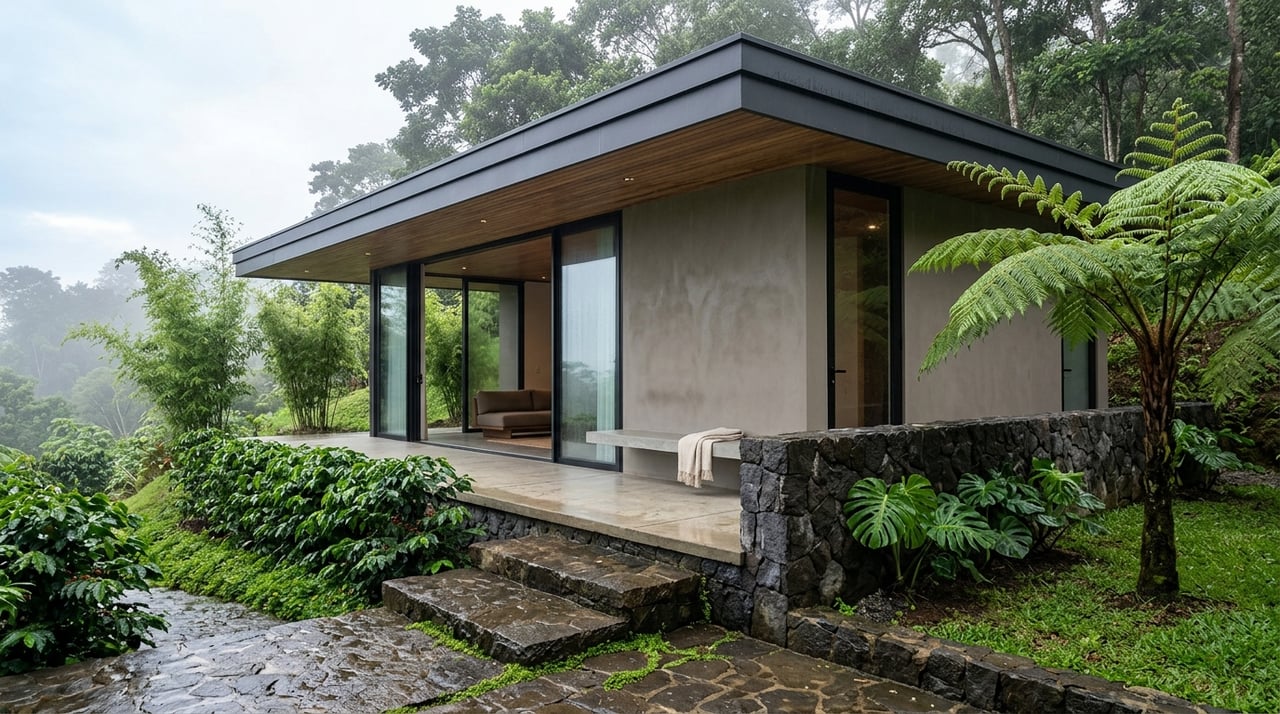
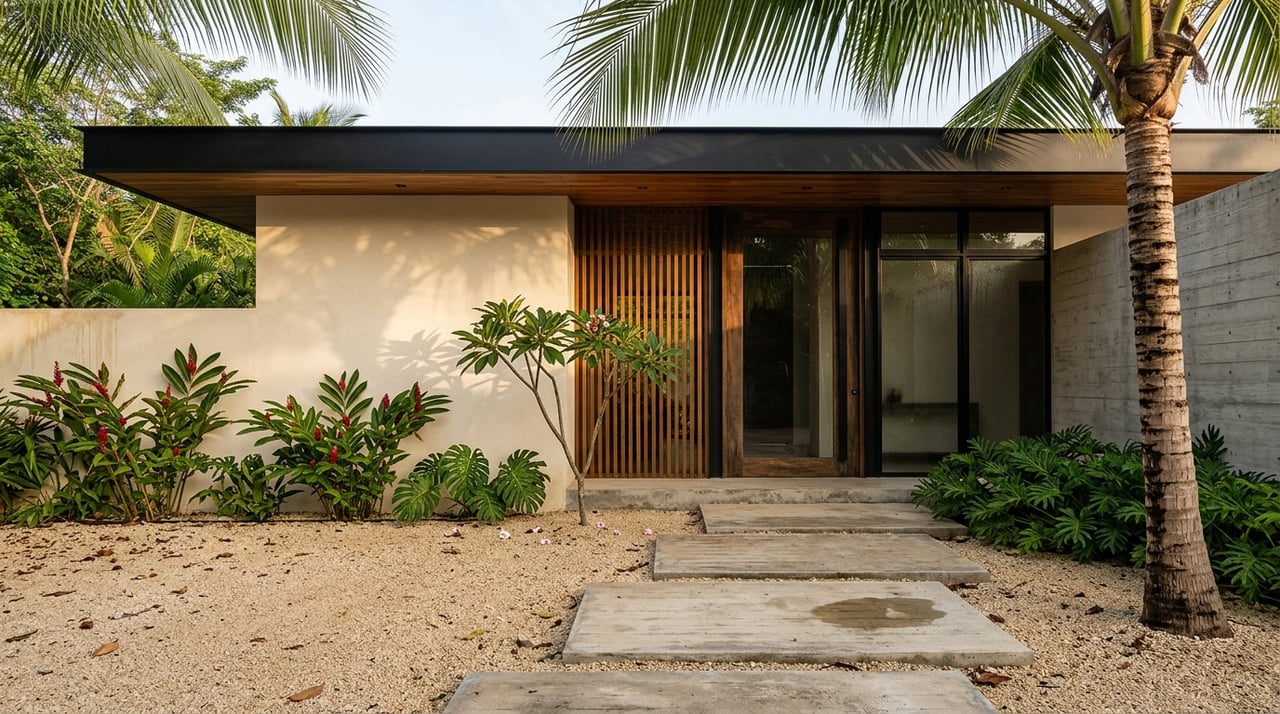
From a real estate perspective, the Southern Zone offers a broad mix of property types. Market guidance from Engel & Völkers Costa Rica describes everything from oceanfront estates and ocean-view villas to hillside homes, rainforest retreats, eco-friendly properties, hospitality assets, vacation rentals, and development land.
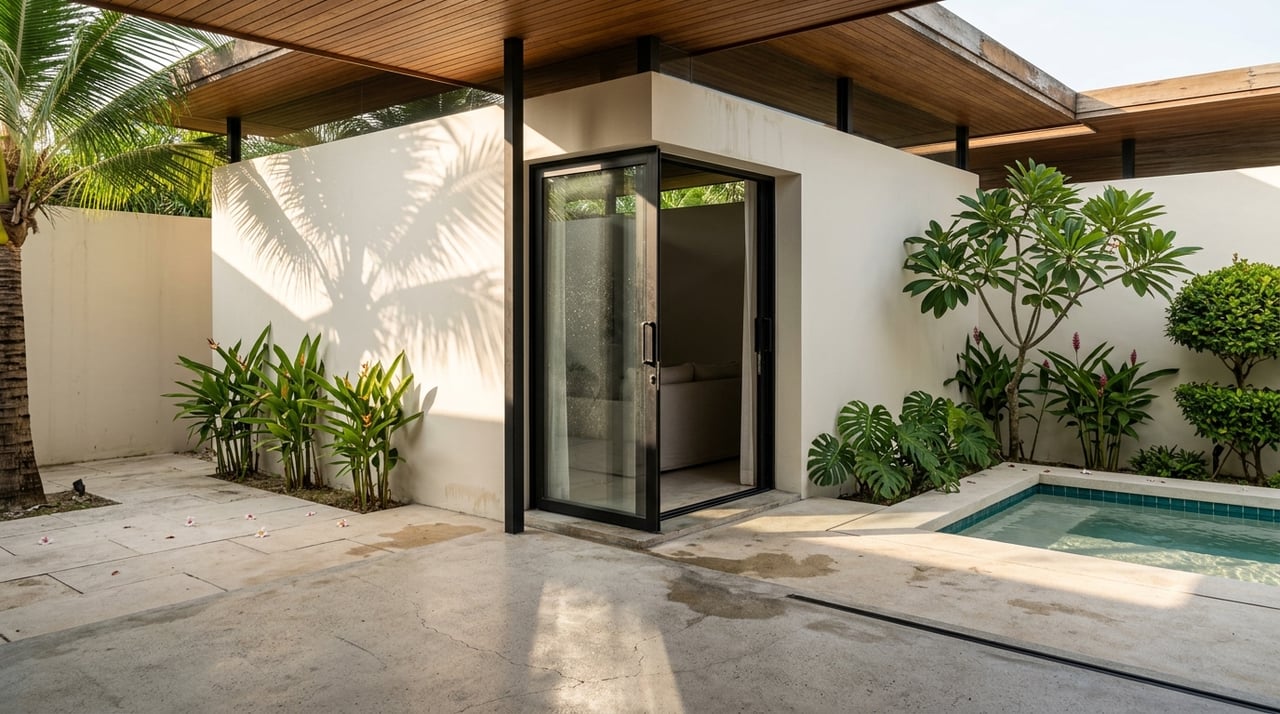
That variety is important because there is no single Southern Zone living experience. Your daily routine may look very different depending on whether you choose a surf-oriented base near Dominical, a practical home setting in or near Uvita, a quieter residential property in Ojochal, or a more remote eco-oriented setting near Drake Bay.
The Real Tradeoff of Southern Zone Living
The Southern Zone offers a clear lifestyle exchange. You get more nature, privacy, and outdoor immersion, but you also need to plan more carefully around roads, weather, service locations, and in some areas, boat connections.
For many buyers, that is not a drawback. It is the point. If you want a polished but lower-density coastal lifestyle with a strong connection to the landscape, the Southern Zone stands apart from busier beach markets in Costa Rica.
If you are exploring a move, second home, or investment in Costa Rica’s Southern Zone, working with a trusted local advisor can help you match the right town and property to the lifestyle you actually want. Connect with Dawn Wolfe for thoughtful, white-glove guidance tailored to your goals.
FAQs
What is everyday life like in Costa Rica’s Southern Zone?
- Everyday life in the Southern Zone is shaped by weather, distance, and outdoor living, with routines that often center on driving, planning around rain, and spending time near beaches, parks, and nature.
Which Southern Zone town is the most practical for daily errands?
- Uvita is generally the strongest all-purpose hub for everyday errands because it combines service access, tourism information, and connections to major regional activities.
How does Dominical compare to Uvita for full-time living?
- Dominical tends to feel more casual and surf-centered, while Uvita feels more versatile and practical for day-to-day tasks and beach access.
What is the lifestyle difference between Ojochal and Drake Bay?
- Ojochal feels quieter and more residential, with a small but useful local dining and grocery base, while Drake Bay feels more remote and depends more heavily on transport timing, boats, and weather.
Is healthcare access available in Costa Rica’s Southern Zone?
- Yes, healthcare access exists through local health sectors, EBAIS units, mobile support, and periodic visits, though convenience can vary depending on how remote your location is.
What kinds of homes are common in Costa Rica’s Southern Zone?
- The Southern Zone includes a wide range of properties, including oceanfront estates, ocean-view villas, hillside homes, rainforest retreats, eco-friendly residences, hospitality properties, vacation rentals, and development parcels.