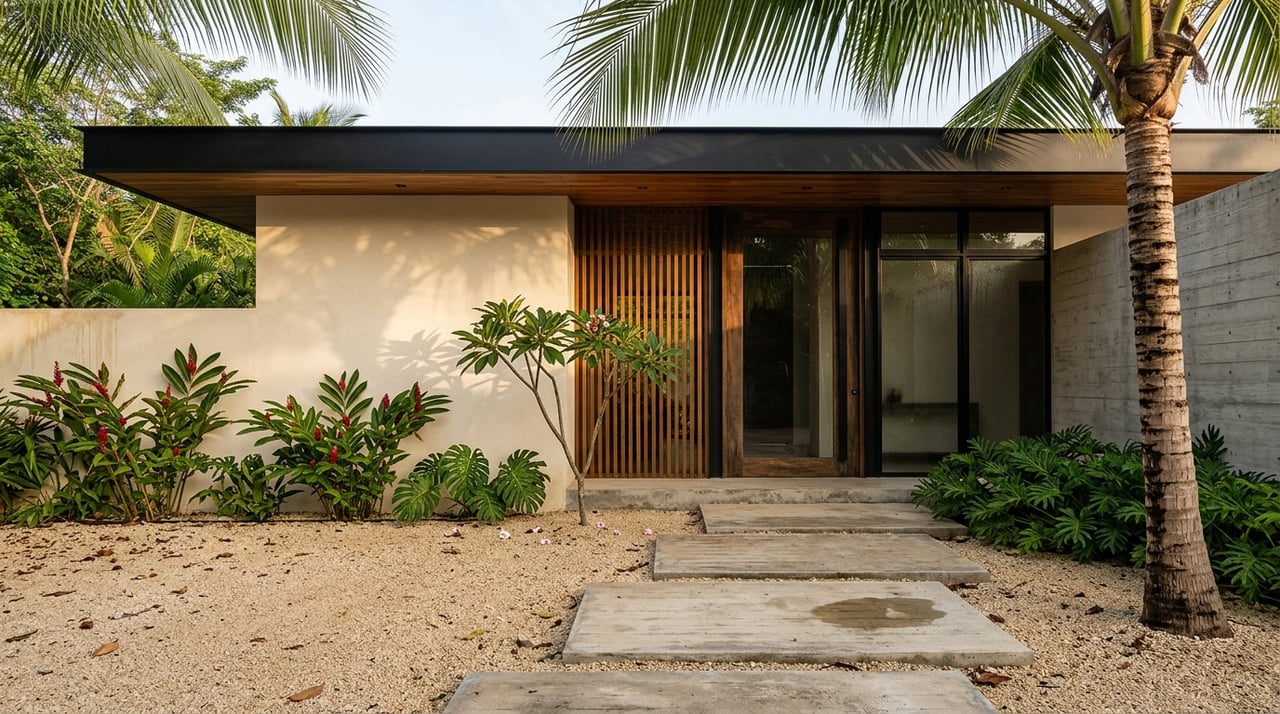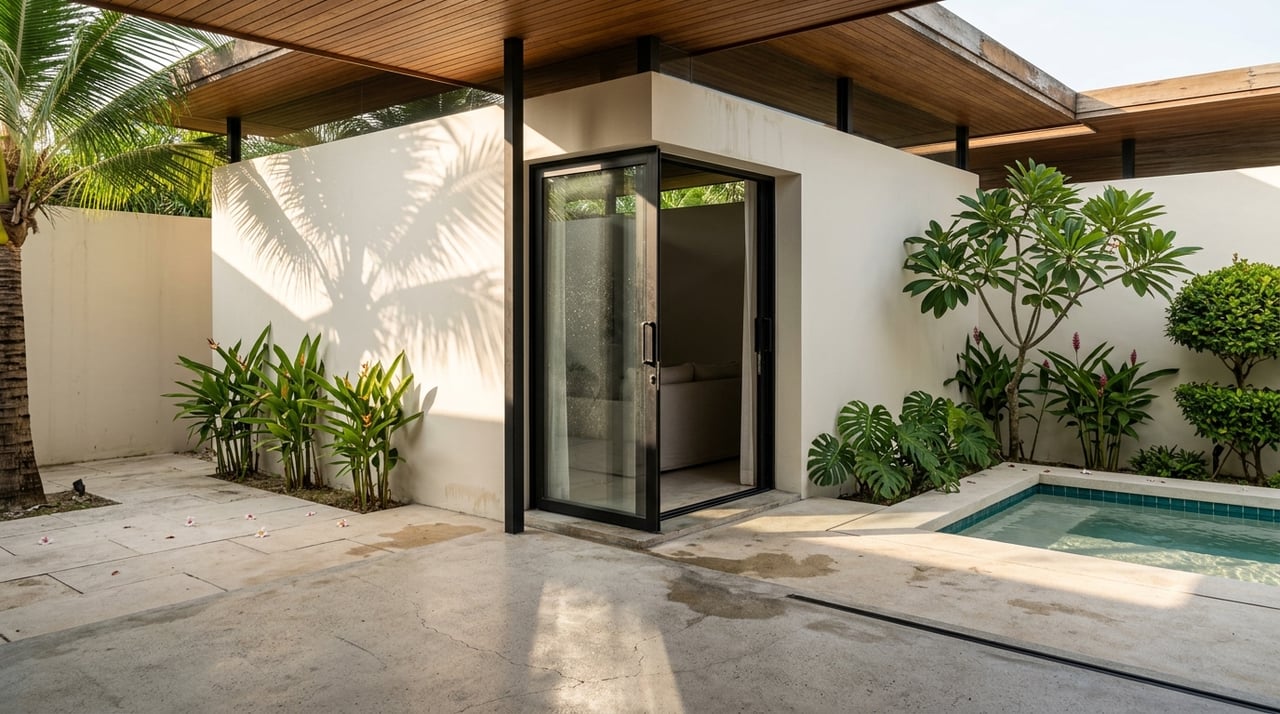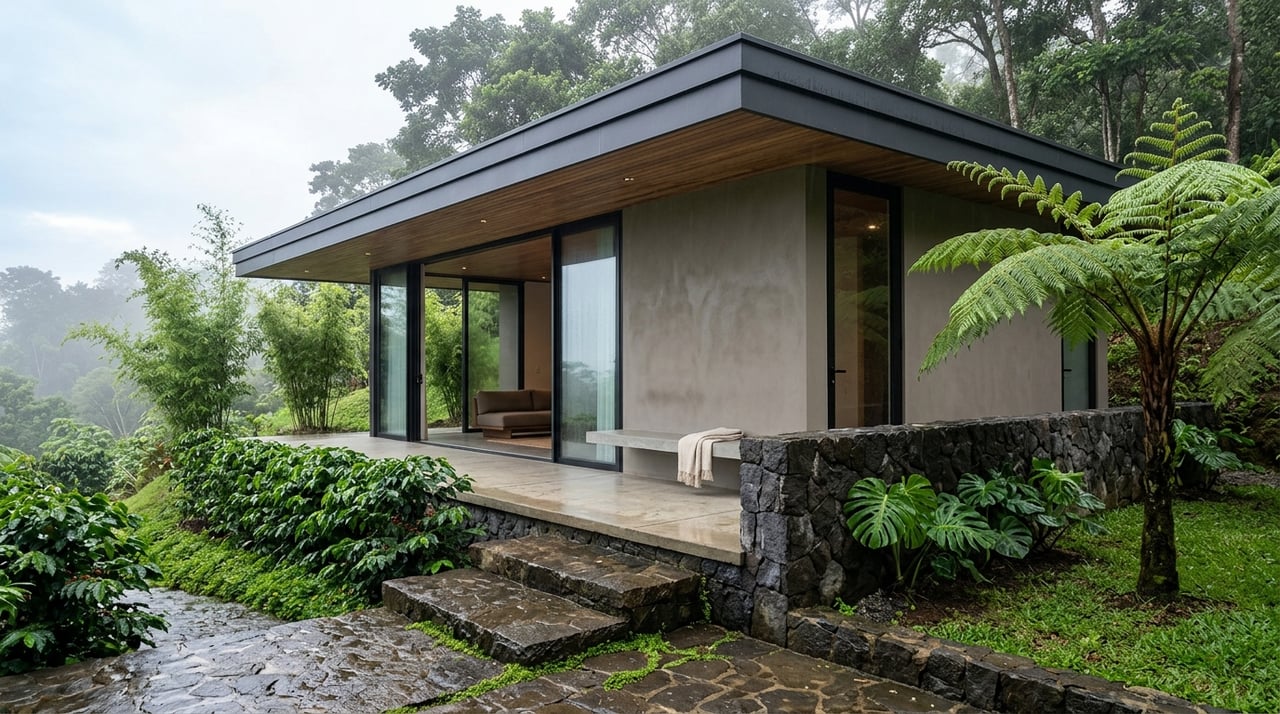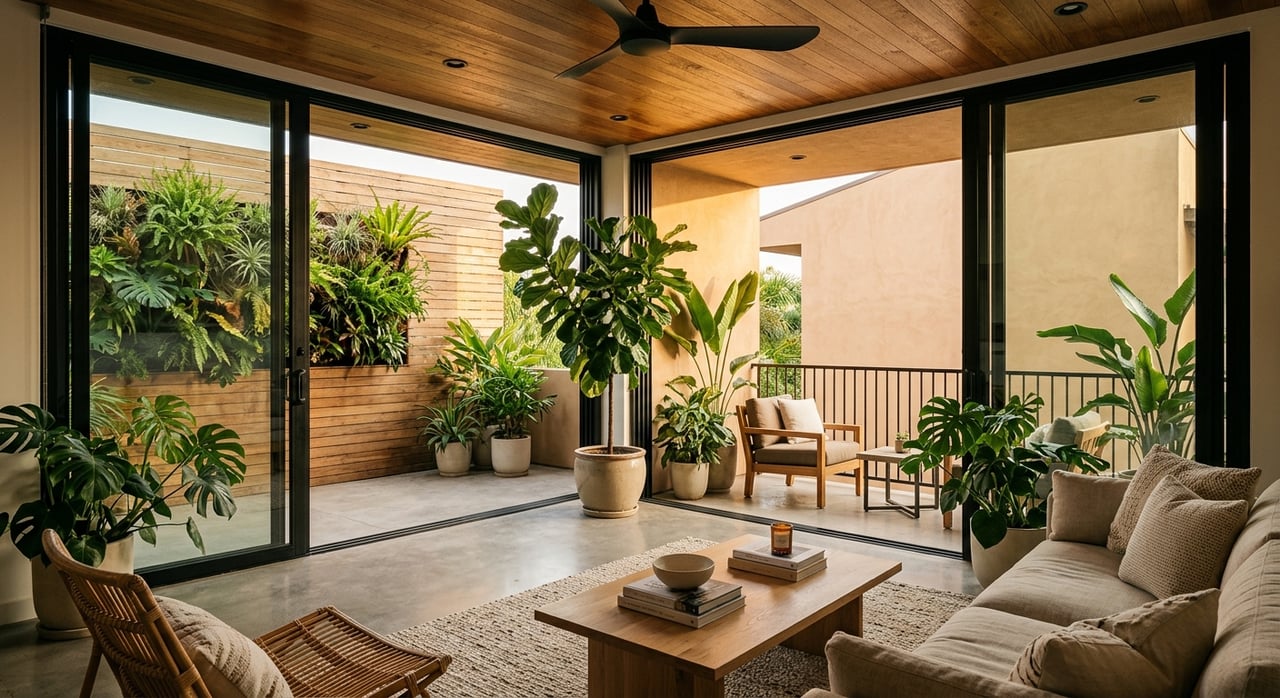
Choosing between a condo, townhome, or house in San José can shape how you live every day. If you are balancing commute time, maintenance, privacy, and long-term plans, it is easy to feel pulled in different directions. The good news is that San José offers all three formats across very different settings, from denser urban districts to more spacious outer areas. This guide will help you compare your options and narrow in on the fit that matches your lifestyle. Let’s dive in.
Why San José Offers Real Choice
San José Province is large and varied, with 1,601,167 residents and 569,553 housing units recorded in 2022. It is not one single housing market. Density ranges from 9,020 inhabitants per square kilometer in Tibás and 7,897 in San José canton to just 15 in Turrubares and 23 in Dota.
That range matters when you start comparing property types. Denser areas naturally support more apartment and condo living, while lower-density outer cantons tend to align better with detached houses and larger lots. In other words, your best fit is not just about the home itself. It is also about where in San José you want to live.
Construction trends also show that buyers continue to have options. Nationwide in 2022, 80.2% of new dwellings were independent houses and 17.7% were apartments or condominiums, while San José’s 2023 housing and apartment construction value showed apartments slightly ahead of houses. That tells you the province continues to support both urban vertical living and more traditional homeownership.
What Each Property Type Means
Before you compare lifestyle fit, it helps to understand how these homes are commonly structured in Costa Rica. Condo law, known as Ley 7933, covers both horizontal and vertical condominiums. It also sets the legal framework for common areas, administration, and shared expenses.
Condos in San José
A condo is often the simplest choice if you want a more managed style of ownership. In a condominium regime, the administration handles common goods and services and collects common-expense fees. That can make day-to-day ownership feel more streamlined, especially if you want a lock-and-leave base.
In San José, condos often make the most sense in denser zones and along transit-connected areas. If you picture a more urban routine with easier access to business districts, services, and public transportation, a condo may align well with that goal.
Townhomes in San José
Many townhome communities in Costa Rica function as horizontal condominiums. That means you often get more privacy than an apartment, but you still accept shared walls, community rules, and common-area fees. It is a useful middle ground for buyers who want some of the structure of condo living without moving into a fully vertical building.
For many buyers, townhomes strike a balance between convenience and space. You may have a more residential feel while still benefiting from managed common areas and a more contained upkeep load than a detached house.
Houses in San José
A detached house outside a condo regime usually offers the most freedom. You generally have more control over the lot, landscaping, storage, and future additions. If customization matters to you, this format often gives you the widest range of possibilities.
That extra control comes with more responsibility. A house concentrates upkeep and decision-making on you as the owner. If you like being hands-on and want flexibility over time, that may feel like an advantage. If not, it can feel like extra work.
How Lifestyle Should Drive Your Choice
There is no universal best property type in San José. The right fit depends on how you actually live or want to live in the years ahead. Three of the biggest decision points are commute, maintenance, and flexibility.
Commute Matters More Than Many Buyers Expect
In the Central region, residents spent 5 hours and 54 minutes per week commuting to work in INEC’s 2022 time-use survey. That is a meaningful part of your week. In a market like San José, your location can affect your daily rhythm as much as your floor plan.
Passenger rail service from INCOFER runs Monday through Friday in morning and afternoon blocks, with active routes including Curridabat to San José Centro to Pavas to Belén, San José to Cartago, and San José to Heredia to Alajuela. The MOPT also maintains a formal policy for modernizing and sectorizing bus transport in metropolitan San José and surrounding zones. If you want a car-light lifestyle, it makes sense to prioritize transit corridors, not just a neighborhood name.
A condo or townhome near established transit may save you more time than a larger home farther out. A detached house may still be the right move, but it is wise to weigh that against how often you plan to travel across the metro area.
Maintenance Can Change the Ownership Experience
Maintenance is often where your choice becomes very practical. In condos and horizontal condominiums, the administration handles common goods and services, which can reduce the amount of direct oversight you need to provide. That can be appealing if you travel often, split time between countries, or simply prefer a more managed setup.
A house gives you more autonomy, but it also places more of the maintenance burden on you. Exterior care, grounds, and future repairs become your responsibility. Some buyers want that freedom. Others prefer predictable shared administration, even if it comes with monthly fees and community rules.
Long-Term Flexibility Should Match Your Plans
Your next move should support not just your life now, but also your likely next chapter. Condos often fit singles, couples, frequent travelers, and buyers who want a secure, low-maintenance home base. Townhomes tend to sit in the middle, offering more privacy and space with some shared structure.
Houses often make sense for buyers who expect to need more room, want more customization, or are thinking about multigenerational living. If you already know you may want future additions, more storage, or broader control over the property, a detached house can offer a stronger long-term fit.
Where These Formats Tend to Show Up
San José’s housing choices become clearer when you look at local patterns. Downtown San José is described as mostly business and politics with limited housing, while nearby and east-side areas such as San Pedro, Los Yoses, and Barrio Escalante are established residential zones. La Sabana, Barrio Amón, Aranjuez, and Rohrmoser also come up often in urban living conversations.
Rohrmoser is especially relevant if transit and connectivity matter to you, since it sits between La Sabana and Escazú and has several bus lines plus a train connection toward the east side of San José. For buyers exploring a car-light routine, that kind of access may matter more than square footage alone.
Escazú and Santa Ana offer a useful contrast. Both are close to the metro core but feel more suburban than central San José. Escazú is known for gated communities and luxury condominiums, while Santa Ana includes residential estates, gated communities, and traditional homes, making both areas relevant if you are comparing townhomes, condos, and detached houses in a more suburban setting.
A Simple Comparison Guide
Here is a practical way to think about the three options.
| Property type | Often best for | Main tradeoff |
|---|---|---|
| Condo | Buyers who want lower day-to-day upkeep, shared services, and urban convenience | Less control over common rules and shared fees |
| Townhome | Buyers who want more privacy than an apartment with some managed upkeep | Shared walls and community structure still apply |
| House | Buyers who want space, flexibility, and control over the property | More maintenance and owner responsibility |
Questions to Ask Before You Decide
Before you choose, it helps to pressure-test your priorities. A clear answer to a few questions can quickly narrow your search.
- How much time do you want to spend on maintenance?
- Do you want to rely on public transit or reduce driving?
- How important are privacy and outdoor space?
- Do you expect to remodel, expand, or add features later?
- Will your household size likely change over time?
- Are monthly common-expense fees worth the tradeoff for shared services?
If your answers lean toward simplicity, transit access, and lower upkeep, a condo may be the strongest fit. If you want a middle path, townhomes deserve serious attention. If you value control, space, and long-term flexibility most, a house may be the better match.
The Best Fit Is Personal
San José supports a wide range of lifestyles because it supports a wide range of housing formats. The province’s mix of dense urban districts, residential corridors, and lower-density outer areas means you do not have to force a one-size-fits-all answer. You can choose a home that fits how you move through the city, how much maintenance you want to carry, and how you see your life evolving.
For many buyers, the smartest decision is not asking which property type is best in general. It is asking which one best supports your routine, your priorities, and your long-term plans in San José. If you want tailored guidance on San José neighborhoods, property formats, or relocation strategy, connect with Dawn Wolfe for a polished, advisor-led conversation.
FAQs
What is the difference between a condo and a townhome in San José?
- In San José, a condo is often part of a vertical or horizontal condominium regime with shared administration and common-expense fees, while many townhomes function as horizontal condominiums that offer more privacy than an apartment but still include shared rules and fees.
Is a detached house in San José better for long-term flexibility?
- A detached house usually offers more control over the lot, landscaping, storage, and future additions, which can make it a strong option if you want customization or expect your space needs to change.
Which San José property type is easier to maintain?
- Condos and many townhome communities are generally easier to maintain because the administration handles common goods and services, while a detached house places more upkeep responsibility on the owner.
Are condos a good fit for car-light living in San José?
- They can be, especially when located near active rail or bus corridors, since commute time and transit access are important factors in the greater San José area.
Where in San José might buyers compare condos, townhomes, and houses?
- Buyers often compare urban and near-urban areas such as La Sabana, San Pedro, Los Yoses, Barrio Escalante, and Rohrmoser, while also looking at more suburban options like Escazú and Santa Ana for mixed-format housing choices.
How should you choose between a condo, townhome, or house in San José?
- The most practical approach is to compare your commute strategy, maintenance tolerance, desired privacy, and long-term space needs rather than looking for one property type that is best for everyone.