If your retirement plan includes warm weather, beach walks, and a calmer daily rhythm, Playa Hermosa may already be on your shortlist. Still, the right retirement destination is about more than scenery. You need to know how daily life works, how close essential services are, and what to watch for when buying near the coast. This guide will help you weigh whether Playa Hermosa, Guanacaste, fits the lifestyle, convenience, and property goals you have in mind. Let’s dive in.
Why Playa Hermosa appeals to retirees
Playa Hermosa in Guanacaste offers a quieter coastal setting between Playa Panamá and Playas del Coco. Municipal and tourism sources describe it as a gray-yellow sand bay with green-blue water, coastal vegetation, and year-round access. It is also recognized as a Blue Flag beach, with conditions calm enough for swimming and water sports in many areas.
For retirement, that atmosphere matters. Playa Hermosa feels more like a low-key beach enclave than a busy town center. If you picture mornings by the water, sunset walks, and a more relaxed pace, that can be a strong match.
The broader setting also adds to its appeal. Playa Hermosa sits within Carrillo canton, one of the five cantons in the Nicoya Peninsula Blue Zone. This region is known for longevity and active-aging traditions, which gives the area a meaningful lifestyle signal for buyers planning their next chapter.
What daily life looks like
Retiring in Playa Hermosa means understanding the difference between beach lifestyle and full-service convenience. Beach access and short strolls are easy here, especially around resort-style areas. But many everyday errands are handled in the broader Carrillo and Playas del Coco corridor rather than right on the beach strip.
According to the Carrillo tourism guide, Playas del Coco holds the largest share of the area’s tourist, gastronomic, medical, and financial services. The same guide notes access to supermarkets, pharmacies, shopping centers, gas stations, and bus connections in the area, with Sardinal offering service toward San José, Liberia, Nicoya, Carrillo, Playas del Coco, and the Gulf of Papagayo.
That makes Playa Hermosa workable for many retirees, but it helps to go in with clear expectations. If you want a dense, highly walkable area where most errands happen on foot, this may feel too spread out. If you are comfortable combining home life at the beach with short drives for services, the setup can feel very practical.
Is a car necessary in Playa Hermosa?
A car is not essential for every resident, but it does improve daily convenience. This is especially true for shopping, medical appointments, and airport transfers. Because the main airport and hospital hub are in Liberia, having your own transportation can make retirement life feel smoother.
Public transportation exists, but Costa Rica’s bus system is run through private lines rather than one central schedule. For retirees who value flexibility, a car often makes the area easier to enjoy on your own terms.
Healthcare access is a real strength
One of Playa Hermosa’s biggest retirement advantages is access to healthcare in Liberia. The Costa Rican Social Security Fund identifies Hospital Enrique Baltodano Briceño in Liberia as the regional public hospital for Guanacaste. That gives retirees an important public healthcare anchor within reasonable reach.
Private care is also part of the picture. The Carrillo tourism guide names private options in Liberia such as CIMA Liberia and Clínica San Rafael Arcángel. Hospital San Rafael Arcángel states that it offers 24-hour service and more than 55 medical specialists, which can be reassuring if you want nearby private backup care.
If you plan to become a legal resident, CCSS states that voluntary insured residents who are current on payments can access EBAIS, clinics, and hospitals across the country. For many relocating retirees, that makes healthcare planning in Playa Hermosa feel more grounded and predictable.
International access makes travel easier
For many cross-border retirees, easy travel matters almost as much as local quality of life. Playa Hermosa benefits from its access to Daniel Oduber Quirós International Airport in Liberia, the main airport serving Guanacaste. That is one of the area’s most practical strengths.
If you expect visits from family, seasonal travel, or regular trips back to North America or Europe, being within reach of Liberia can make retirement here much easier to manage. You get a quieter beach setting without feeling cut off from international connections.
The lifestyle fit: calm, active, and outdoors-oriented
Playa Hermosa is best for retirees who want a quieter rhythm rather than an entertainment-heavy environment. Official tourism sources highlight swimming, sunsets, diving, hiking, horseback riding, fishing, and boat-based activities around the area. In other words, the lifestyle here leans toward nature and movement.
That can be a major advantage if your retirement plan includes staying active. The combination of beach access, warm weather, and the wider Blue Zone setting supports a daily routine built around outdoor time and lower-key living.
If your ideal retirement looks more urban, social, and errand-friendly on foot, nearby Playas del Coco may be worth comparing. If your priority is quieter surroundings with easy access to the beach, Playa Hermosa stands out.
What types of homes you can expect
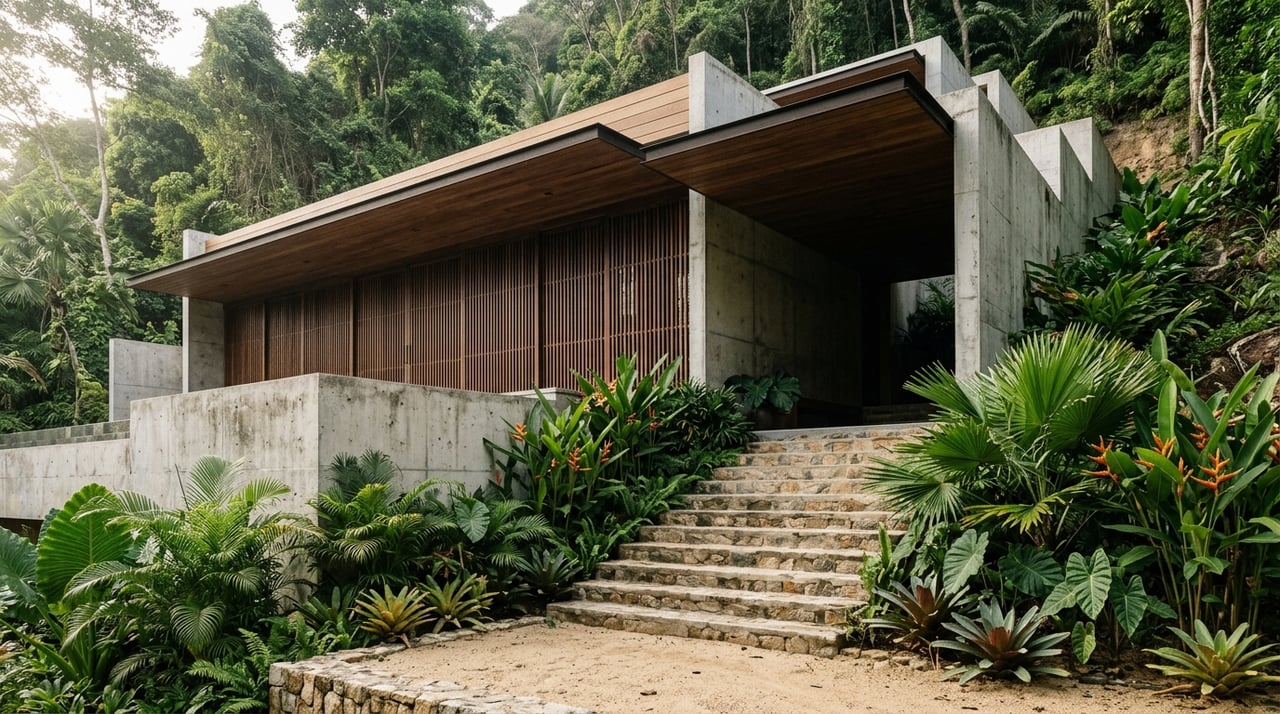
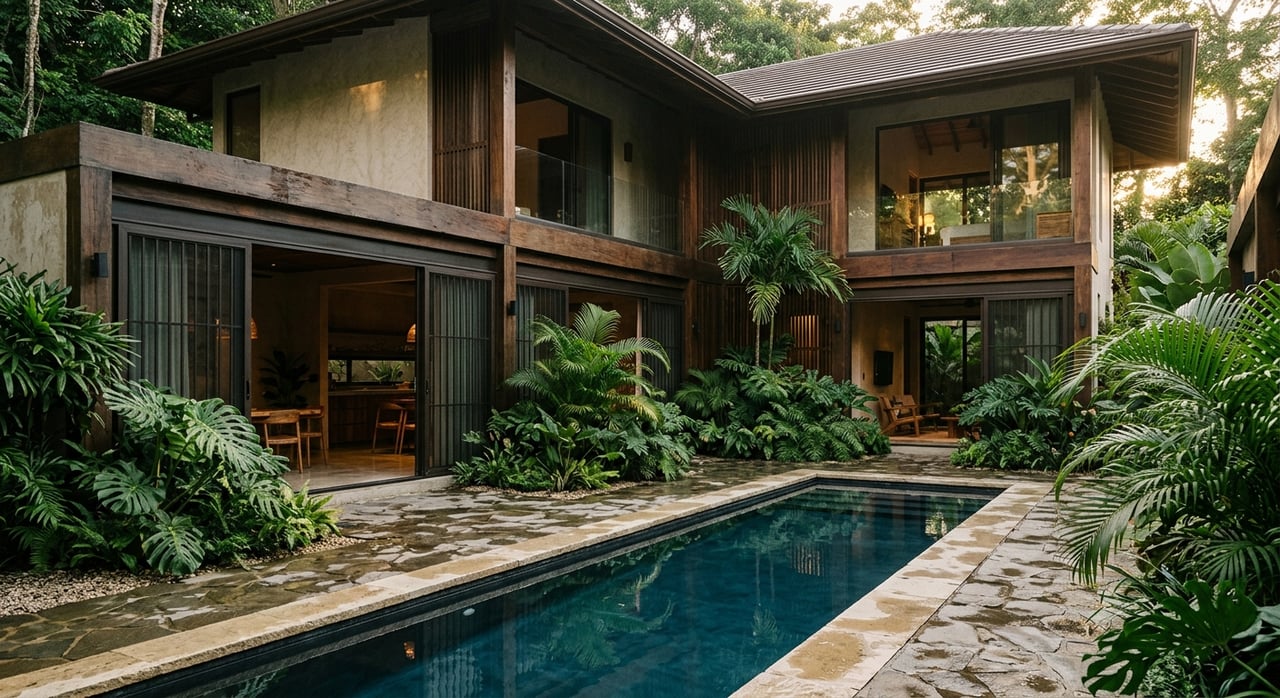
The housing profile around Playa Hermosa tends to lean toward resort-style and hospitality-adjacent properties rather than a large suburban neighborhood pattern. Municipal sources and tourism materials reference developments and properties such as Condovac, Villas Sol, El Velero, Hermosa Inn, Bosque del Mar, and Bahía Pez Vela.
For buyers, that usually translates into a market shaped by:
- Condos
- Villas
- Managed coastal residences
- Hospitality-oriented properties
- View homes in elevated areas
This can be attractive if you want a lock-and-leave residence, a low-maintenance second home that becomes a retirement base, or a property with a more curated resort feel. It is a different experience from buying in a traditional inland town.
Ocean view vs beachfront ownership
Because Playa Hermosa sits between hills and the coast, ocean-view homes are more likely to be found in elevated areas or nearby hillside pockets. That geography can create compelling view properties for retirement buyers who value privacy and scenery.
Beachfront and near-beach ownership require closer review. In Costa Rica, the maritime-terrestrial zone is a major factor in coastal real estate, and Playa Hermosa is no exception.
The key buying issue: coastal ownership rules
If you are considering property near the water, this is one of the most important parts of your retirement planning. The Carrillo municipal FAQ explains that the coastal strip is 200 meters wide and includes both a public zone and a restricted zone. In the restricted zone, concessions may be granted if required approvals are in place, and the concession holder pays an annual canon.
For you as a buyer, that means you should not assume every beachfront or near-beach property has standard fee-simple title. Parcel-by-parcel due diligence matters. This is especially important for cross-border retirees who want long-term clarity before making a lifestyle move.
A careful, advisor-led review is not just helpful here. It is essential. In a market like Playa Hermosa, understanding title structure is part of buying wisely.
Budgeting for retirement in Playa Hermosa
Your budget in Playa Hermosa will depend on the kind of retirement you want to build. Costa Rica relocation guidance says a simple lifestyle can run around US$1,500 per month or less, with rural-area rents often around US$300 to US$600. It also estimates a moderate sit-down meal at roughly US$15 to US$20, with soda meals far lower, and private medical insurance around US$60 to US$130 per month per person.
Those figures are useful as planning benchmarks, but Playa Hermosa is a coastal market. Ocean-view homes, imported goods, and regular car use can push your real cost of living above baseline numbers. If you are targeting a premium residence or a managed villa-style property, it makes sense to budget with room for coastal pricing.
Residency basics to plan ahead
If retirement in Playa Hermosa is more than a dream, residency planning should start early. Current embassy guidance says pensionado applicants need proof of a lifelong pension of at least US$1,000 per month. Rentista applicants need proof of stable income of at least US$2,500 per month for at least two years.
The same guidance lists core paperwork such as your passport, birth certificate, criminal record certificate, photos, and proof of funds. Apostilles and official translations are often required. Costa Rica’s immigration law states that authorities generally have up to three months to resolve a residency application once the file is complete.
That timeline matters if you are coordinating a move with a property closing, healthcare planning, or the end of a lease abroad. Playa Hermosa works best as a long-term relocation plan, not a rushed decision.
So, is Playa Hermosa right for your retirement plan?
Playa Hermosa is a strong retirement candidate if you want a calm beach setting in a well-connected part of Guanacaste. It offers appealing access to Liberia’s airport and healthcare network, a lifestyle centered on outdoor living, and a quieter atmosphere than some nearby coastal hubs.
It may be the right fit if you value:
- Easy beach access
- A relaxed, lower-key daily pace
- Proximity to Liberia for travel and healthcare
- Resort-style condos or villas
- Ocean-view living in a coastal setting
It may be less ideal if you want:
- A dense, walk-everywhere town center
- Most services within a short walk
- A more urban daily rhythm
For many retirees, the decision comes down to priorities. If you want convenience first, compare Playa Hermosa with Playas del Coco. If you want a quieter home base with a strong lifestyle component, Playa Hermosa deserves a serious look.
Choosing the right retirement destination is about more than finding a beautiful property. It is about matching your home, your routine, and your long-term comfort with the way you want to live. If you are exploring Playa Hermosa as a retirement base, connect with Dawn Wolfe for trusted guidance on the area, property options, and the due diligence that matters most.
FAQs
Is Playa Hermosa, Guanacaste a good place to retire?
- Playa Hermosa can be a strong option if you want a quiet beach lifestyle, access to outdoor activities, proximity to Liberia for healthcare and airport access, and a calmer setting than a busier town center.
Is Playa Hermosa, Guanacaste walkable for retirees?
- Playa Hermosa is walkable for beach access and short local strolls, but many errands and services are more concentrated in the broader Carrillo and Playas del Coco corridor.
Is healthcare near Playa Hermosa, Guanacaste reliable for retirees?
- Healthcare access is one of the area’s strengths, with the regional public hospital in Liberia and private options there as well, including facilities with 24-hour service and specialist care.
Do retirees need a car in Playa Hermosa, Guanacaste?
- A car is not required for every situation, but it usually makes daily life easier for shopping, medical visits, and airport transportation.
What types of retirement properties are common in Playa Hermosa, Guanacaste?
- The area tends to offer condos, villas, managed coastal residences, and view-oriented homes rather than a large suburban housing pattern.
What should buyers know about beachfront property in Playa Hermosa, Guanacaste?
- Buyers should carefully review whether a property falls within Costa Rica’s maritime-terrestrial zone, where ownership structure may involve a concession rather than standard fee-simple title.