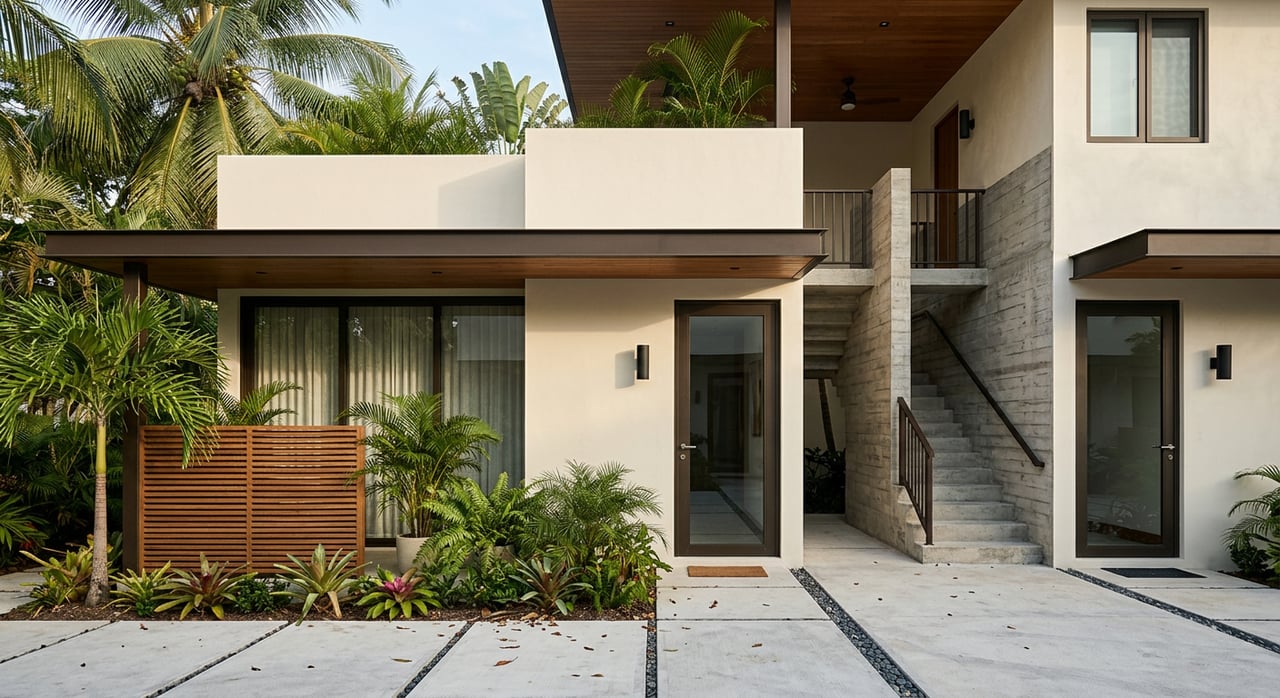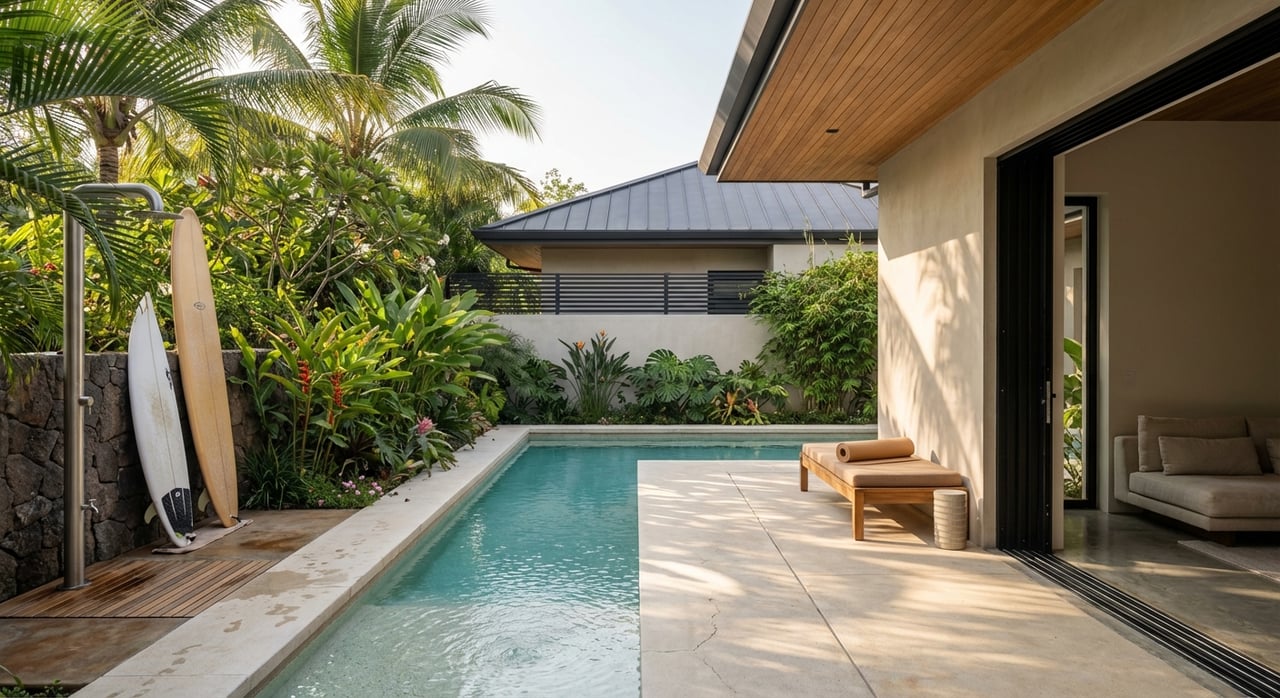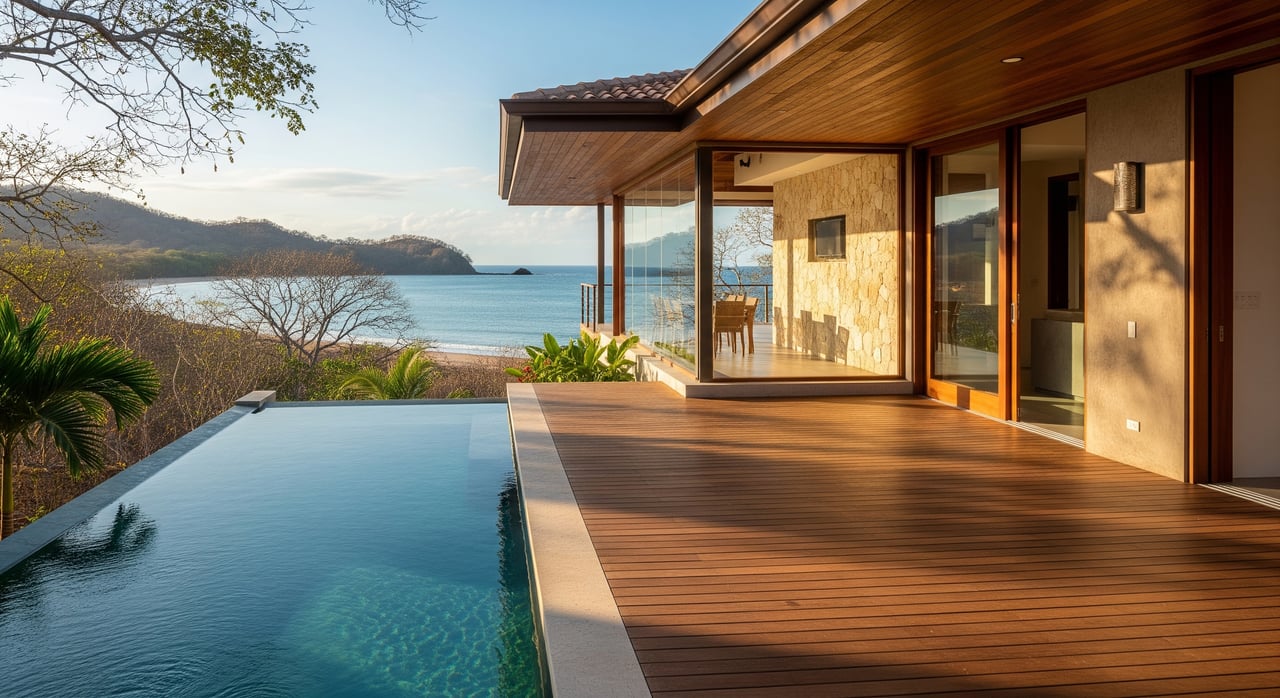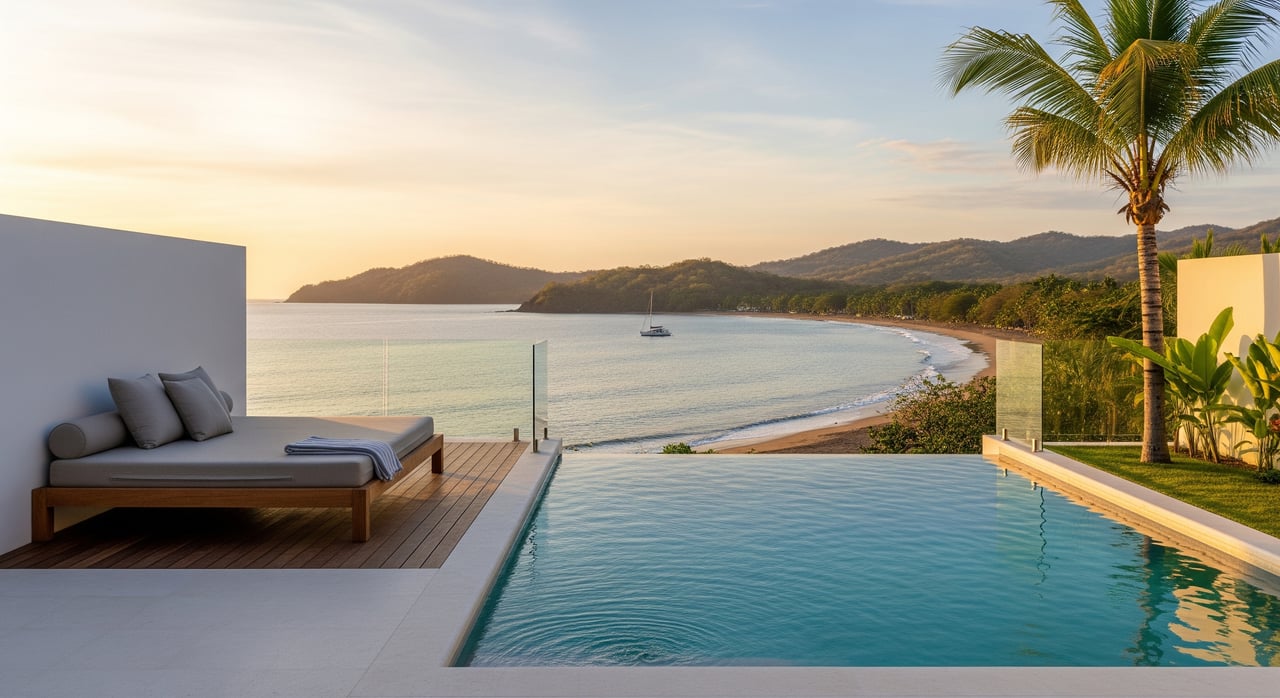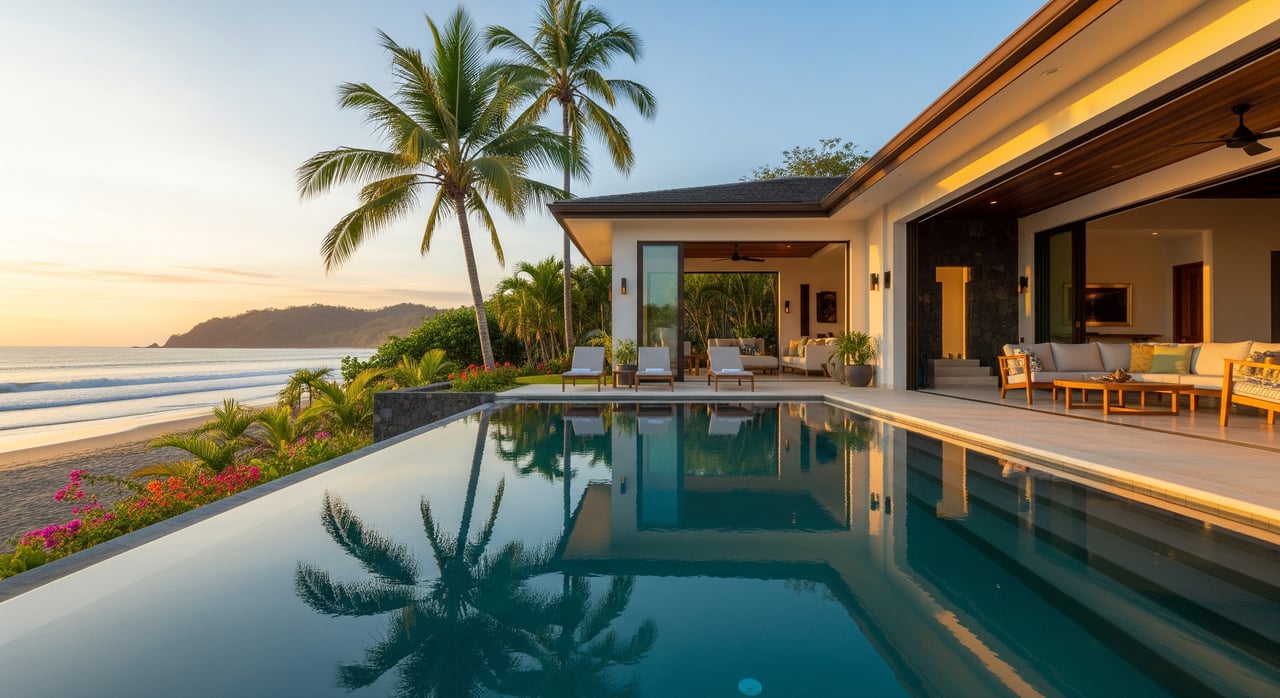
Trying to make sense of Tamarindo’s market during high season? You are not alone. Between full flights into Liberia, busy beaches, and a steady stream of new listings, it can feel hard to separate noise from signal. You want a clear view of what drives demand, how condos compare to villas, and what changes as you move from in‑town Tamarindo to Playa Langosta. This guide breaks it down so you can act with confidence. Let’s dive in.
What drives buyer demand now
Tamarindo’s appeal starts with lifestyle. Surf, restaurants, services, and a vibrant town core keep short‑stay visitors and long‑stay second‑home buyers coming back. Year after year, proximity to Daniel Oduber Quirós International Airport in Liberia (LIR) supports that flow of demand. More seasonal and international flight capacity tends to boost both buyer interest and short‑term rental activity.
Remote work and retirement migration add to the pool. You see more buyers who want to live part‑ or full‑time, not just invest. For many, rental income still matters. Expected yields, the ease of property management, and clear operating rules are key.
On the transactional side, nonresidents can own property in Costa Rica. Standard diligence includes title verification at the Public Registry and working with a local attorney or notary for closing. Most beach‑area listings are quoted in USD, so confirm currency and terms on each property.
Condos vs. villas: who buys what
Condos in low‑ to mid‑rise, gated complexes tend to attract investors and buyers who want a lock‑and‑leave second home. You get easier management, shared amenities like pools and concierge, and a lower entry price per unit. The tradeoff is HOA fees, rental rules, and more frequent guest turnover if you operate as a short‑term rental.
Villas and single‑family homes appeal to owner‑occupiers, families, retirees, and higher‑net‑worth buyers seeking privacy. Larger lots, private pools, and premium locations can drive strong weekly rates during peak periods. Operating and maintenance costs are higher, and occupancy can vary more in the green season.
New developments market modern finishes, warranties, and often rental programs. Resales offer immediate occupancy, unique locations, and sometimes more room to negotiate. Your choice should reflect your involvement level, cash‑flow goals, and tolerance for operating complexity.
Seasonality you can plan around
Tamarindo’s high season generally runs November through April, with the green season from May through October. Sellers often list before or early in high season to capture buyer traffic. During peak months, you can see multiple offers and faster time to contract on well‑positioned listings.
If you are modeling rental income, avoid judging a property by peak‑month returns. Always annualize. Include realistic vacancy for the rainy months, management fees, and maintenance. High‑season snapshots can overstate returns if you do not average performance across the full year.
Rental metrics that matter
When you evaluate income potential, track:
- Occupancy rate by month and year to understand demand velocity.
- Average Daily Rate (ADR) to see pricing power across seasons.
- RevPAR, or revenue per available night, to compare unlike properties on one yardstick.
- Booking lead time and length of stay to plan revenue, staffing, and turnover.
- Market supply trends, especially new condo releases that can affect occupancy and ADR.
- Guest origin mix, since U.S., Canada, and Europe often have different booking windows and stay patterns.
Use STR analytics, local property managers, and brokerage reports together. Each source has limits, so cross‑check before you commit.
Micro‑markets: in‑town vs. Playa Langosta
In‑town Tamarindo centers on walkability to the beach, restaurants, shops, and services. Inventory includes condos, townhomes, and smaller villas that trade heavily on location and convenience. Many buyers target this area for a balance of lifestyle and rental potential.
Playa Langosta, just south of town across the estuary, is quieter and more residential. You will find a higher share of villas, premium lots, and proximity to nature preserves. That typically commands a privacy and land‑value premium compared with in‑town units.
Nearby beaches like Playa Grande and gated resort communities such as those near Hacienda Pinilla and Reserva Conchal serve distinct buyer profiles. They offer structured amenities, security, and sometimes higher HOA fees. Define your lifestyle goals first, then match the neighborhood.
How to read price bands
Rather than chasing a single “price per square meter,” think in tiers and adjust for key value drivers. Start by defining your micro‑market boundary and pulling recent closed sales for similar property types. Then adjust comps for bedroom count, condition, view, pool, parking, and permitted use.
- Entry band: smaller, central condos within a short walk to the beach. A fit for first‑time foreign buyers and STR investors seeking lower entry points.
- Mid band: larger condos, townhomes, and modest villas in town or just outside. Balanced appeal between owner‑occupiers and rentals.
- Premium band: Langosta beachfront or hilltop villas with privacy and upgraded finishes. Oriented toward owner‑occupiers and luxury short‑term renters who pay premium ADRs.
Expect premiums to widen in high season as buyers pay for immediate occupancy and peak‑week revenue potential. New development releases can also shift bands, depending on incentives and unit mix.
Buyer checklist: make your move with clarity
- Request 12–24 months of rental performance if income matters, and review seasonality.
- Confirm clear title and easements with a local attorney, including a copy of the registered folio.
- Review HOA bylaws, rental policies, and recent financials for any condo you are considering.
- Inspect infrastructure: water source, septic, power reliability, and internet speed and availability.
- Verify municipal permits for existing structures and any planned improvements.
- Model cash flow with conservative assumptions for vacancy, management, repairs, and taxes.
- Confirm currency and payment terms, including any applicable tax withholding for foreign sellers.
Seller checklist: position for high season
- Time your listing ahead of high season to maximize buyer traffic.
- Prepare a clear rental summary and expense report for investor buyers.
- Review closed comps from the past 6–12 months and adjust for condition and location.
- Be transparent about HOA restrictions, pending assessments, and any legal items.
- Stage for lifestyle. Showcase outdoor living, pool areas, and flexible workspaces.
Negotiation cues by season
During high season, expect faster offers and possible multiple‑offer scenarios on well‑priced properties. Be ready with documentation and respond quickly. In the green season, buyers may seek concessions like longer due diligence or closing credits, and sellers often counter with incentives such as furniture or minor price adjustments.
Due diligence essentials you should not skip
- Legal: Use a local attorney or notary to verify title, boundaries, and registrations at the Public Registry.
- Permits: Confirm municipal approvals, water letters, septic, and any rental permissions.
- HOA: Understand rules on rentals, occupancy, and special assessments before you commit.
- STR operations: If investing, validate occupancy, ADR, RevPAR, and guest reviews against direct comps.
Ready to explore Tamarindo and Langosta with a plan?
If you want a concise market read, a short list of properties that fit your brief, and advisory support from first look to closing, you are in the right place. For a white‑glove, data‑aware approach tailored to your lifestyle or investment goals, connect with Dawn Wolfe today.
FAQs
Is now a good time to buy in Tamarindo?
- It depends on your goals; high season improves visibility for rentals and resales, while green season can offer more negotiating room, so model annual income and personal use first.
Should I buy a condo or a villa for rental income?
- Condos offer lower entry cost and simpler management, while villas can earn higher weekly rates with higher operating costs and more seasonal vacancy risk.
How much does seasonality affect annual rental income?
- High season boosts ADR and occupancy, but rainy months soften demand, so always annualize projections and use conservative vacancy and expense assumptions.
Are there special rules for short‑term rentals in Tamarindo?
- Rules vary by municipality and property type, so verify HOA policies, municipal codes, and tax reporting with a local attorney or property manager.
How do Playa Langosta properties differ from in‑town Tamarindo?
- Langosta is typically quieter and more residential with a higher share of villas and premium lots, while in‑town units trade on walkability to amenities and services.