Thinking about trading the city grind for a barefoot, beach‑town rhythm? In Sámara, daily life centers around a calm horseshoe bay, warm water, and a close-knit community that welcomes newcomers. If you want a realistic picture of what it feels like to live here, you’ll find the essentials in this guide. You’ll learn how the seasons shape your days, what services you can expect, where to find care and connectivity, and how to plan a confident move. Let’s dive in.
Where Sámara is and how it feels
Sámara sits on the southern side of Costa Rica’s Nicoya Peninsula in Guanacaste. It is both a relaxed beach town and a regional hub for surrounding communities. You feel that dual role in everyday life: there are restaurants, shops, and tour operators, but most are small and locally owned rather than big chains.
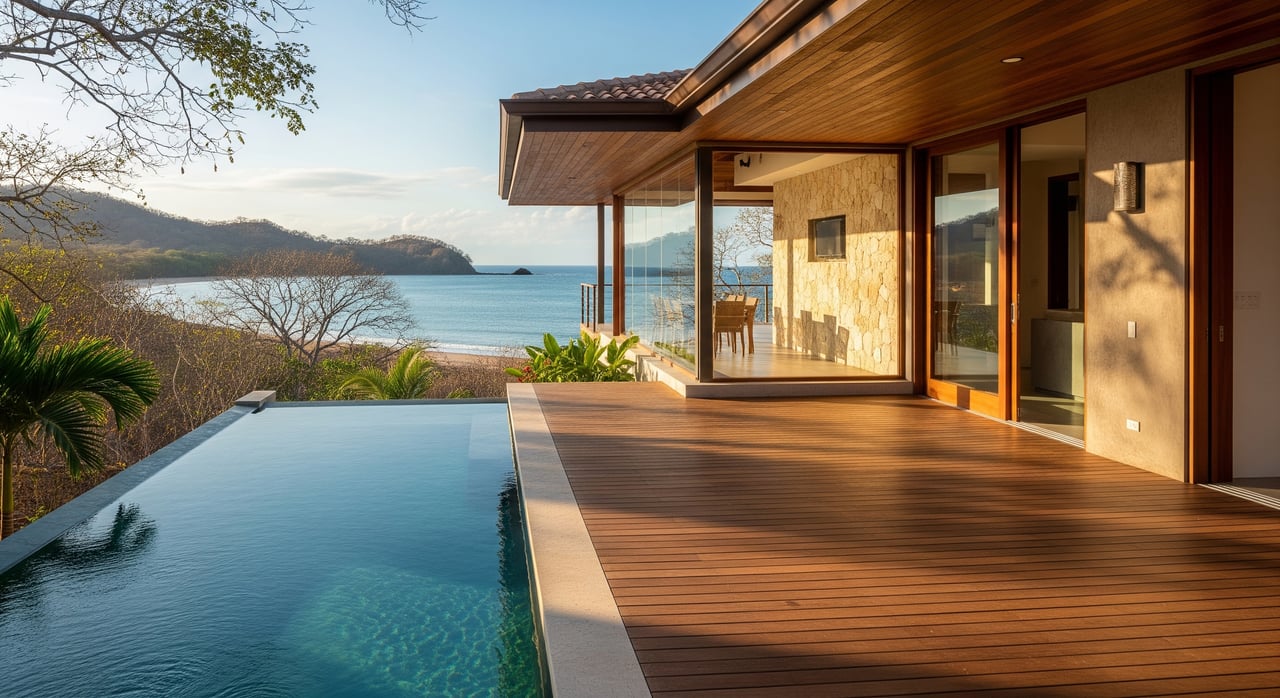
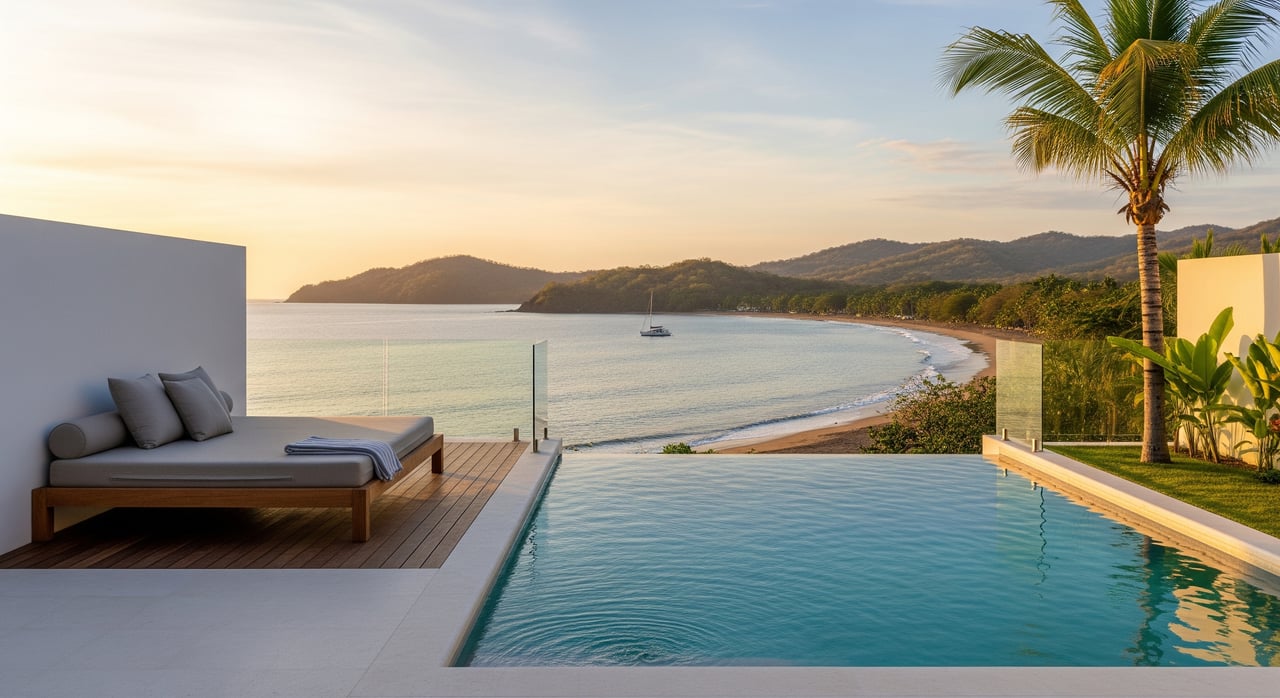
The bay is the star. The water is relatively calm and shallow compared with many Pacific beaches, which makes swimming, paddleboarding, kayaking, and beginner surf lessons part of the weekly routine. The vibe is laid‑back and family‑oriented. Mornings tend to be active, afternoons slide into errands and work, and evenings are mellow outside of peak tourist months.
Seasons and daily rhythm
Sámara has a tropical climate with two distinct seasons that shape everything from surf to schedules.
- Dry season (December–April): Sunny, busier, and great for beach time. Expect more visitors and fuller restaurant reservations. Many community events and wellness retreats happen now.
- Rainy season (May–November): Greener landscapes and afternoon or evening storms. The town is quieter, prices can ease, and the surf varies. You may plan errands earlier in the day and expect some roads to be slower during heavy rains.
Ocean temperatures are warm year‑round, so you can be in the water in any month. Just plan your agenda around the weather pattern of the season you are in.
Essentials for day‑to‑day living
Housing and utilities
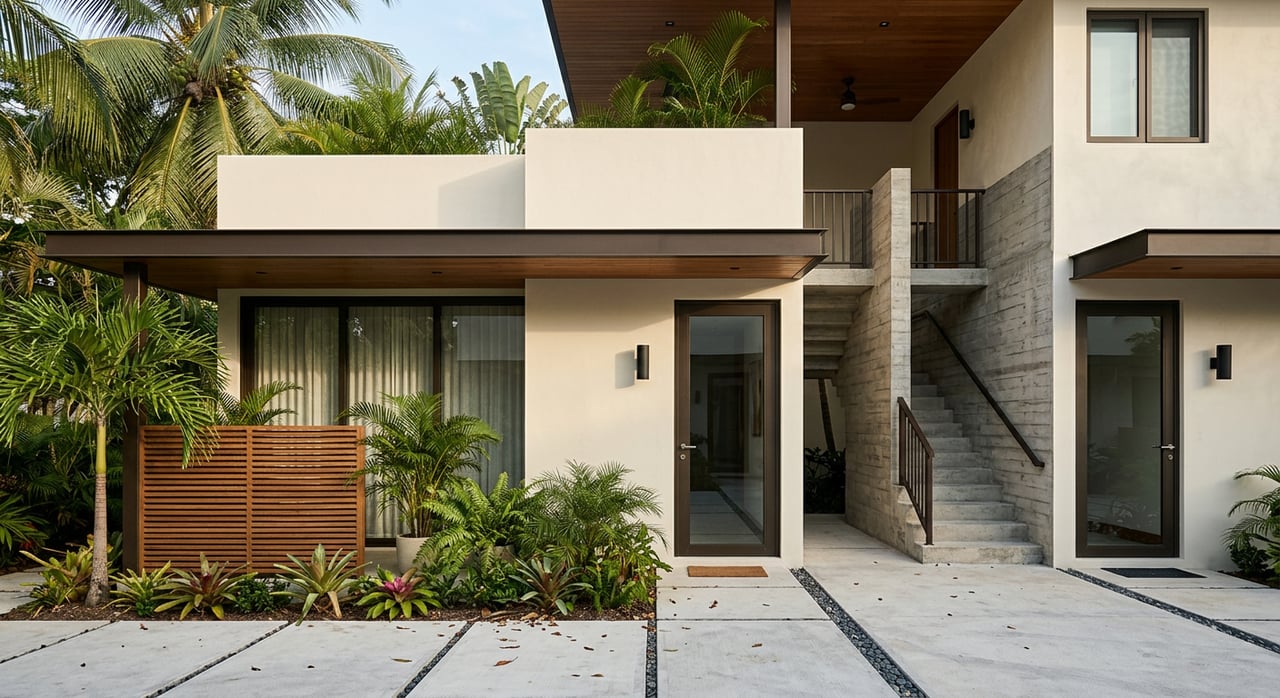
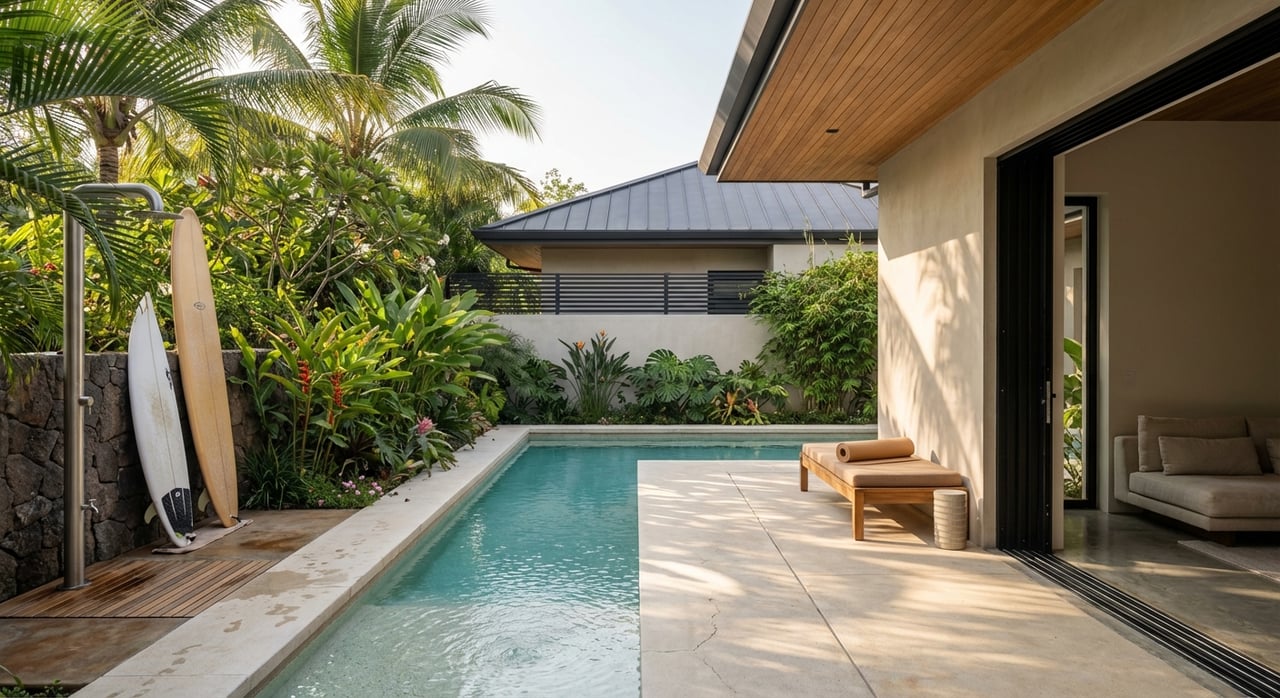
You’ll find a mix of local homes, vacation rentals, small condos, and a few gated projects. Many properties are designed for indoor‑outdoor living.
- Electricity: Generally reliable, with occasional short outages during storms.
- Water: Municipal service in town; some homes use private wells, cisterns, or backup systems. Septic systems are common outside the core area.
- Waste: Municipal collection in town; private service may be needed in outlying areas.
- Coastal rules: Beaches are public, and beachfront areas follow coastal setback and environmental permitting. Always confirm permits with local professionals before building or renovating.
Internet and mobile
Broadband, cable, and 4G mobile service are available in town, though quality varies by neighborhood. Some pockets have fiber, while others rely on wireless. Many residents keep mobile data or a secondary connection as backup. Before you buy or rent, verify provider options and speeds at the specific property.
Banking, mail, and payments
You can handle routine banking at local branches and ATMs. Larger or specialized transactions are usually handled through major national banks or larger city branches in Nicoya or Liberia. National mail service operates, and international courier deliveries are available via regional centers; build in extra lead time for inbound packages.
Groceries and dining
For weekly shopping, you’ll use small supermarkets, mercados, produce stands, bakeries, and butchers. If you want specialty or imported items, you may shop in larger towns or arrange delivery. Eating out ranges from local sodas to cafes and international menus that cater to both residents and visitors.
Healthcare and wellness
Care options
For routine care and minor urgent needs, Sámara has clinics and private doctors. For advanced care or emergencies, you would go to hospitals in Nicoya or Liberia, with the largest hospitals in Liberia and San José handling specialized services. Both the public health system and private providers play a role. In critical cases, air evacuation can be necessary depending on the situation.
Wellness scene
You’ll find yoga studios, massage therapists, small gyms, and retreats. Many offerings are seasonal, and schedules often expand in the dry season. If wellness is part of why you are moving, you’ll fit right in.
Getting here and getting around
Road access
You can reach Sámara by a combination of paved and unpaved roads. Conditions change with weather, especially during heavy rains, so many residents prefer a car or 4x4. Build flexibility into your travel time in the green season.
Airports and flights
International arrivals typically use Liberia (LIR) or San José (SJO). Domestic carriers fly to nearby airfields, such as Nosara or Tambor, based on seasonal routes and operations. Always verify current schedules before you book.
Buses, shuttles, and taxis
Local buses connect to nearby towns on set schedules. Private shuttles and taxis provide direct transportation, especially when you have luggage or need door‑to‑door service.
Beach life and nature
In the bay
The gentle curve of Sámara’s bay creates conditions suited to families and beginners. You can swim most days, try stand‑up paddleboarding, take a kayak out, or join beginner surf lessons along the beach. Local operators rent gear, teach classes, and run fishing charters.
Nearby nature and wildlife
Short boat rides reach small offshore islands with snorkeling. Inland, you can explore dry tropical forest, rivers, and rolling hills with birdlife and scenic lookouts. Sea turtle nesting happens on protected beaches around the peninsula. Places like the Ostional Wildlife Refuge are famous for arribadas of olive ridley turtles. Access is regulated and seasonal, so guided tours follow conservation rules and timing.
Safety, etiquette, and community tips
Sámara is comparatively safe, but it is still a tourist town. Follow common‑sense habits: lock doors and vehicles, do not leave valuables on the beach, and use well‑lit routes at night.
Community life revolves around local festivals, farmers markets, surf events, and small gatherings. Learning basic Spanish and supporting local businesses goes a long way. Remember that beaches are public, and conservation rules apply in certain areas. Respect signs, wildlife boundaries, and private property.
Costs and budgeting
Your monthly budget depends on location, property type, and lifestyle. Many daily costs, like local produce and services, can be lower than in North American cities. Imported goods, specialty items, and high‑season dining add up. If you need international schooling or a premium rental close to the beach, plan for higher expenses. For the most accurate picture, compare current local listings and quotes with your advisor.
For buyers and long‑stay guests
Property ownership basics
Foreigners have the same property rights as citizens in most cases. Coastal properties fall under maritime regulations with public access and setback rules, and some projects require environmental review. A local attorney and experienced agent are essential to navigate permits and due diligence.
Buyer checklist:
- Verify title and survey at the public registry.
- Confirm zoning, building permits, and environmental restrictions with the municipality.
- Check easements, access, and road maintenance responsibilities.
- Review tax obligations and annual property taxes.
Residency and visas
Long stays require the correct immigration status. Costa Rica offers pathways such as pensionado, rentista, and investor categories. There are also provisions for remote workers, and entry rules change over time. Always confirm current requirements with official migration authorities or a qualified immigration attorney.
Insurance and risk
Homeowners and property insurance are available. Policies vary and may exclude certain natural events, so read the contract in detail. Costa Rica is seismically active, and heavy rains can bring site‑specific flooding or landslide risk. Work with reputable builders who follow codes, and evaluate each property’s conditions during both seasons.
Remote work readiness
If you plan to work from Sámara, test your setup before you commit.
- Confirm wired and wireless providers, speeds, and data caps at the exact address.
- Keep a mobile hotspot or second ISP as backup.
- Use a surge protector and battery backup for short power blips.
- Schedule video calls earlier in the day during the green season, when storms can impact signal.
Is Sámara right for you?
If you want a beach town with a softer pace, walkable days, warm water, and access to nature, Sámara delivers. You can live year‑round, get essentials without leaving town, and tap into a wellness‑forward community while keeping the door open to larger services in Nicoya, Liberia, or San José. The key is to plan around the seasons, choose the right property, and set up your utilities and connectivity with care.
When you are ready to explore homes or refine your plan, connect with a local advisor who knows the micro‑markets, permitting, and seasonal realities. For white‑glove guidance backed by global reach, speak with Dawn Wolfe at our Playa Sámara shop.
FAQs
Is Sámara a good place to live year‑round?
- Yes. Many residents and second‑home owners live full‑time, but you should secure the correct visa or residency status for longer stays.
How are the beaches for families and beginners?
- The bay’s relatively calm, shallow water supports swimming, paddleboarding, kayaking, and beginner surf lessons on most days.
Can I find reliable internet for remote work in Sámara?
- Yes in many areas, but quality varies by property. Verify provider options and speeds at the specific address and keep a mobile data backup.
What healthcare can I access locally?
- You can see clinics and private doctors in town for routine needs. For specialized treatment or emergencies, hospitals in Nicoya, Liberia, or San José provide higher levels of care.
Do foreigners have the right to buy property in Sámara?
- Generally yes, with the same rights as citizens, while coastal properties follow public access, setback, and environmental rules that require extra due diligence.
How does the rainy season affect daily life?
- Expect greener scenery and afternoon or evening storms. Plan errands earlier, allow more travel time, and prepare for occasional short power or road disruptions.