If you’ve ever planned on moving to Costa Rica, one question will come up eventually: How is the Costa Rican healthcare system like?
The answer might surprise you. Costa Rica offers universal healthcare. There is also private clinics and hospitals with affordable costs. This is one of the reasons many choose to relocate here.
If you plan on moving to Costa Rica, getting how the health system works will help you make a truly informed decision.
Public and Private Healthcare: The Best of Both Worlds
Costa Rica offers two “types” of healthcare, both with their own pros and cons.
The Public System (CCSS: Caja Costarricense de Seguro Social)
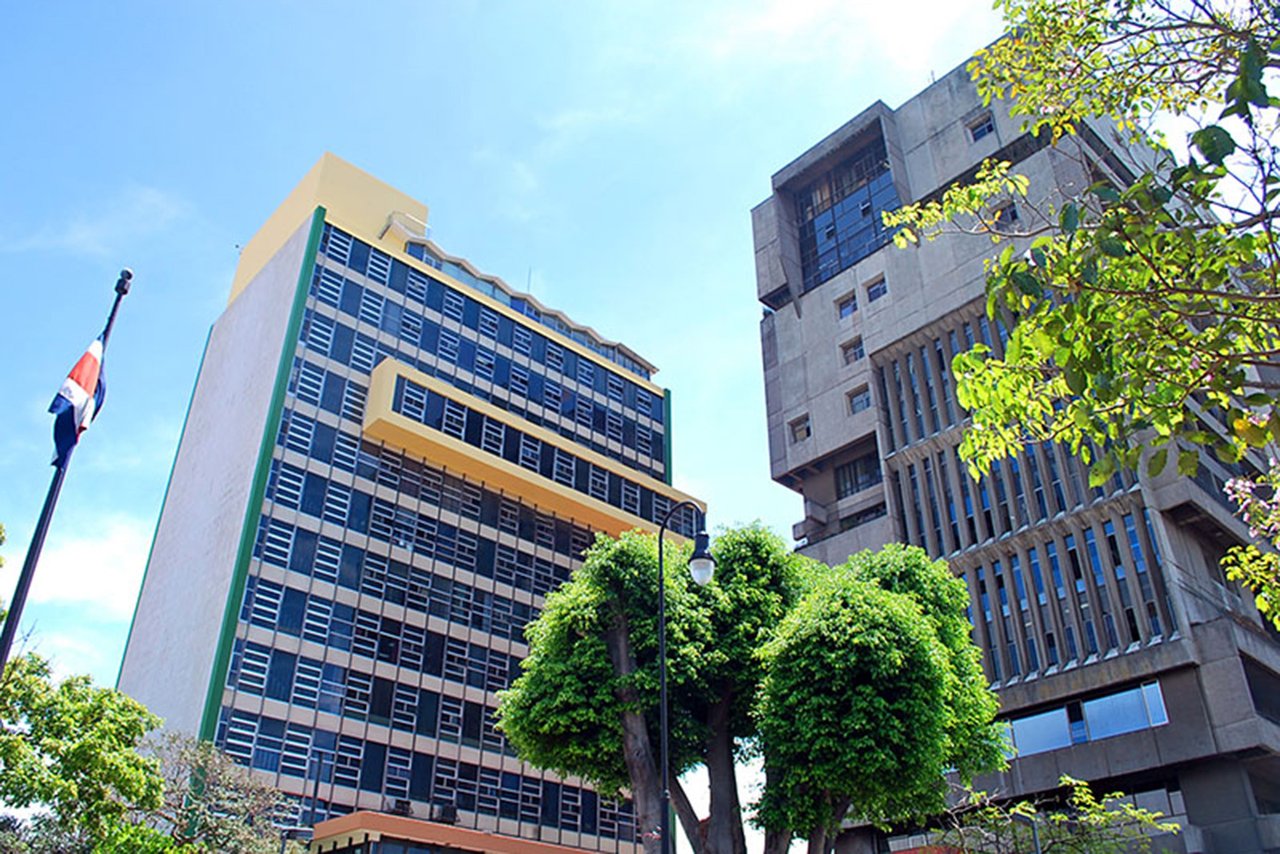
If you become a resident in Costa Rica, a small amount of your income will go to the CCSS, where you will gain acces to universal healthcare. This includes medical visits at small clinics throughout the country, hospital stays, medications, both emergency and preventive treatments.
The Private System
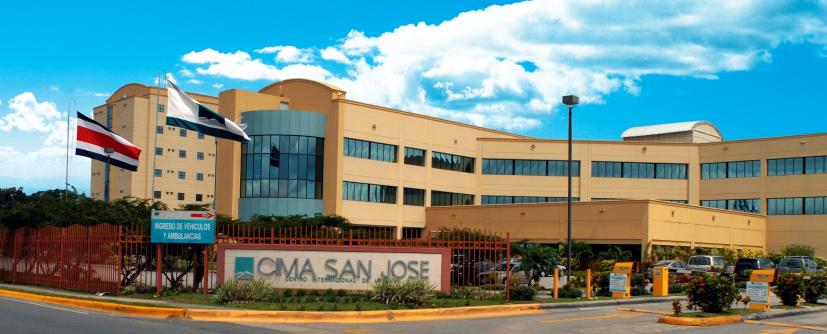
There are many private clinics and hospitals also. Hospitals like CIMA, Clínica Bíblica and Hospital Metropolitano offer top tier medical support. You might think this is costly, but it will actually cost a fraction of what you would expect to pay in American or European hospitals.
Let’s talk quality
Costa Rican healthcare usually ranks among the best in the region. The Universidad de Costa Rica offers top tier medicine education. Also many doctors are educated in the U.S. or Europe.
When it comes to medical facilities, San José and other major cities are equipped with modern technology. The Costa Rican culture applies to their service as well. You’ll be treated like a person, not a number.
In coastal regions, like Guanacaste, you’ll find mostly private clinics, dental centers and medical specialists catering to expats. Most of them are english-speaking. If you ever need more specialized care, a short trip to one of the major cities will do the trick.
Cost Comparison: A Fraction of the Price
Healthcare costs are usually one of the biggest pros when moving to Costa Rica. A regular doctor’s visita at a private clinic won’t set you back for more than $60-$80 USD. Lab tests and dental issues are often more than 70% cheaper than in the US.
Prescription drugs are regulated, and also accessible at every local pharmacy. Many medications don’t require prescription.
Most expats find the balance between the affordability of private and public care ideal.
Ok, so what to do once I get here?
In order to access the public healthcare system, first you need to become a legal resident. There is a number of ways to become one. It could be as a retiree, income-based, or as an investor; all of which allow you to join the system.
If you’re moving to Costa Rica for a long term, becoming a resident solves any medical situation, it also simplifies property ownership and taxation stuff.
Living in Costa Rica: Pros And Cons of it’s healthcare
To wrap it up, we’ll look into the pros and cons of Costa Rican healthcare.
Pros:
- High-quality care at significantly lower costs
- Access to both public and private systems
- English-speaking doctors and modern hospitals
- Preventive medicine is a national priority
- Inclusive system for residents and expats
Cons:
- Wait times in the public system can be long
- Some rural areas have limited facilities
- Private insurance may be necessary for certain procedures
Still, for most expats, the advantages far outweigh the downsides — especially when you compare the overall experience and peace of mind.
Whether your next step is researching residency or browsing Guanacaste Costa Rica real estate, you can rest assured knowing that world-class healthcare will be waiting for you here in paradise.