Choosing between Playa Samara, Nosara, and Tamarindo can feel like comparing three perfect postcards. Each beach town offers a different rhythm, from quiet bay life to high-energy surf and nightlife. If you want clarity before you fly in or schedule tours, you are in the right place. In this guide, you will see how these destinations differ on lifestyle, access, inventory, investment potential, and due diligence, with a special focus on Samara. Let’s dive in.
Quick snapshot: how they differ
Beach and water feel
- Samara: A curved, sheltered bay with generally calmer waters that suit swimming, paddleboarding, and relaxed family beach days. The gentler conditions set a slower pace along the shoreline.
- Nosara: Long sandy beaches with consistent surf at Playa Guiones. Strong surf culture draws both experienced surfers and schools. Nearby wildlife refuges add a conservation-first mindset.
- Tamarindo: Wide, energetic beaches with exposed breaks for many skill levels. The shoreline sees heavier tourist traffic, especially in high season.
Lifestyle and vibe
- Samara: Small-town charm with local shops and restaurants. A balanced mix of locals and expats creates a close-knit community feel and a quieter day-to-day rhythm.
- Nosara: Boutique luxury with a wellness focus. Think yoga, surf retreats, eco-conscious construction, and privacy.
- Tamarindo: The most developed hub in northern Guanacaste. Expect a lively restaurant and nightlife scene, broad services, and steady tourism.
Property types and inventory
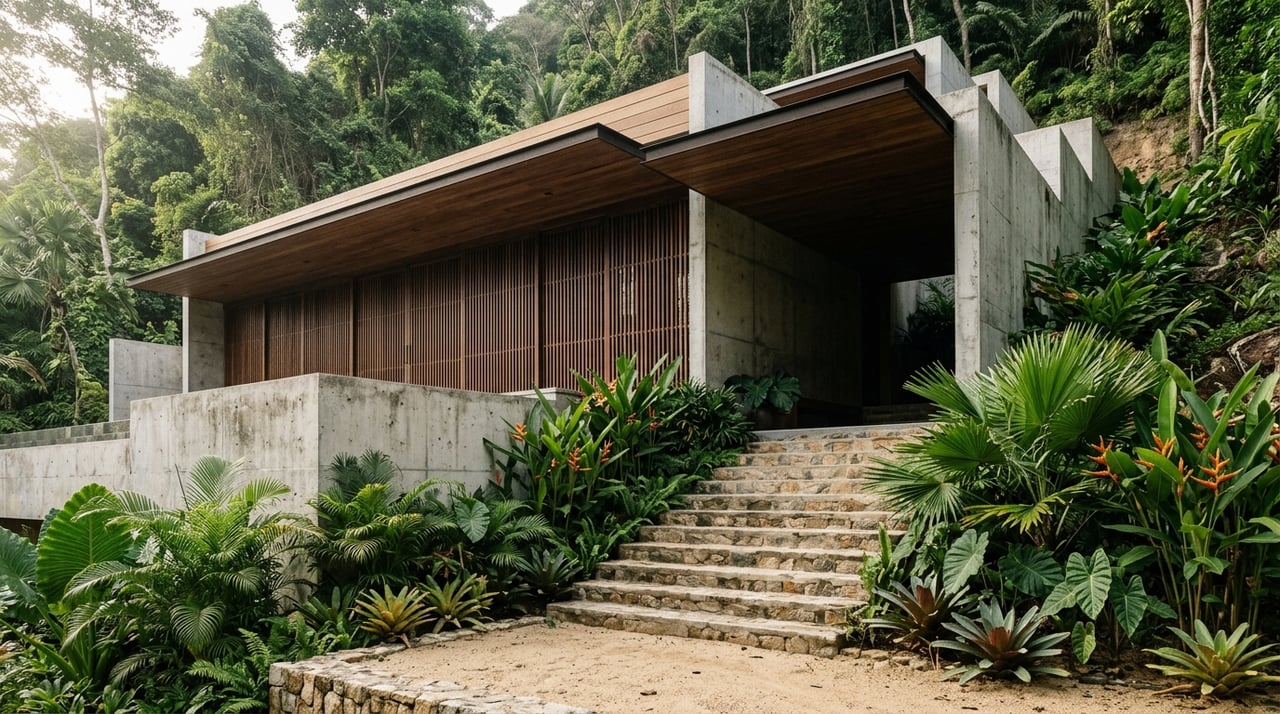
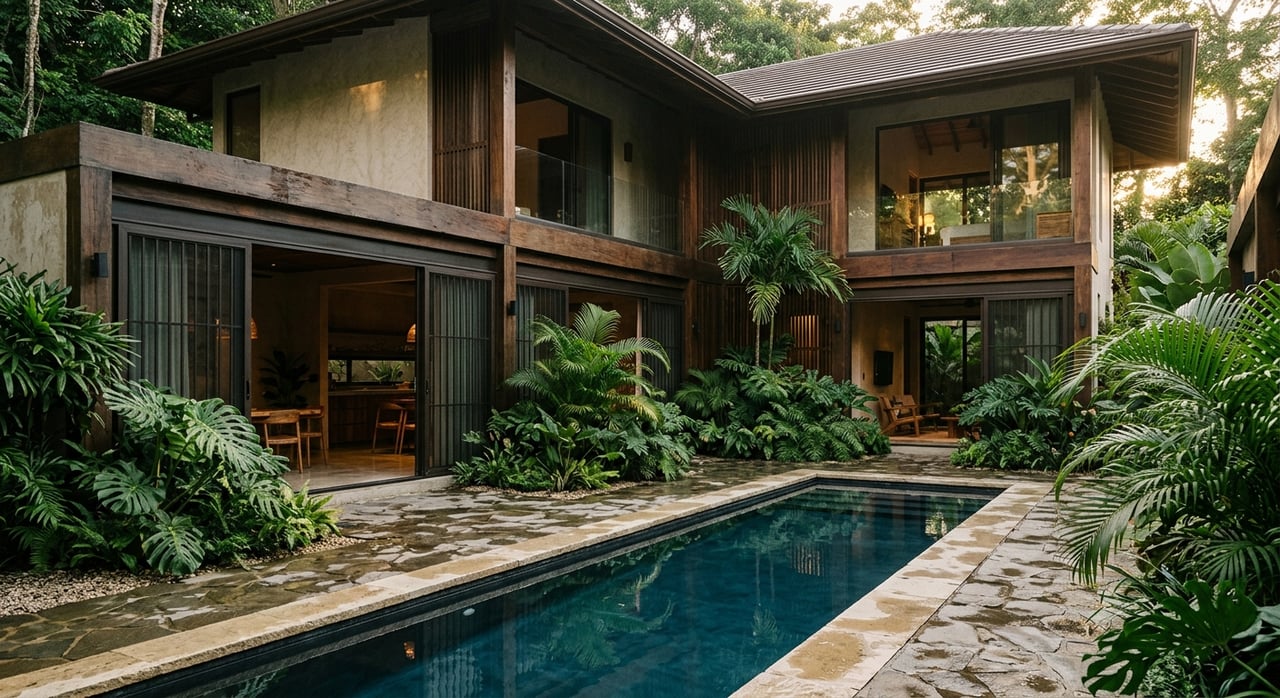
- Samara: Single-family homes, villas, low-rise condos, ocean-view lots, and small gated communities. Ultra-luxury inventory is more limited, which keeps the market approachable for a wider range of buyers.
- Nosara: High-end homes, boutique villas, and premium ocean-view lots. Zoning and conservation rules help maintain low-impact, high-quality builds.
- Tamarindo: A broad mix from amenitized condos and townhomes to beachfront houses, boutique hotels, and resort-style developments.
Access and daily convenience
Getting there
- Airports: The main gateway is Liberia International Airport. From there, typical drive times vary by town. Tamarindo is often the shortest, Samara sits in the middle, and Nosara is typically the longest. Actual travel time depends on season, routes, and road conditions.
- Local flights: Small airstrips and charter flights serve Tamarindo and Nosara, which can reduce travel time at an added cost.
Roads and getting around
- Tamarindo: The most paved and maintained road connections among the three, which supports year-round accessibility.
- Samara and Nosara: Conditions vary and may include segments that are unpaved outside town centers. Recent improvements have helped, but always verify routes for any property you are considering.
Utilities, internet, and services
- Electricity and water: All three towns connect to the grid. Water can come from municipal systems or private sources depending on the location. Reliability can be property specific, especially for remote lots.
- Internet: Fiber and cellular coverage are expanding. Availability is generally strongest in Tamarindo and select developed pockets. Samara and Nosara continue to improve, so confirm service levels at the precise address.
- Healthcare: Local clinics and practitioners serve each town, with advanced care in larger centers like Nicoya or Liberia. Many expats use private insurance and medevac plans for peace of mind.
- Schooling: The region offers some bilingual and international options. If schooling is important, map commute times from any home you short-list.
Samara’s value proposition for buyers
Samara’s sheltered bay, community feel, and relative affordability make it a standout for buyers who want a calmer lifestyle without giving up essentials. You get beach days that suit swimmers and paddleboarders, a walkable town center, and a social scene that skews low-key. The inventory leans toward single-family homes, villas, and ocean-view lots, with fewer ultra-luxury estates than Nosara and a quieter commercial profile than Tamarindo.
If you are aiming for lifestyle-first living, or a second home that also supports longer-stay rentals, Samara can hit a sweet spot. Lower acquisition costs in many segments may translate to competitive rental yields, especially if you target extended stays and family travel.
Investment lens: rentals and returns
Who each market tends to attract
- Samara: Buyers who prioritize a quieter coastal lifestyle, calm waters, and community. Rental demand often includes families and longer stays.
- Nosara: Surf and wellness enthusiasts who value exclusivity and boutique luxury. Inventory is limited, which supports premium pricing.
- Tamarindo: Investors focused on liquidity and short-term rental turnover in a service-rich, high-traffic market.
Rental patterns and yield drivers
- Tamarindo: Strong overall occupancy driven by year-round tourism, with well-located condos and villas performing well.
- Nosara: Higher average nightly rates and targeted bookings. Seasonal peaks stay strong due to surf and wellness travel.
- Samara: Steadier family and longer-stay bookings. While nightly rates may be lower than Nosara or Tamarindo in many cases, purchase prices can be lower too, which can help balance yields.
Your actual performance depends on property type, management quality, marketing, seasonality, and operating costs. Review municipal rules for short-term rentals and ensure proper registration, tax compliance, and professional property management.
Pricing and inventory dynamics
- Nosara: The highest per-unit pricing in many cases due to scarcity, privacy, and brand appeal among high-net-worth buyers.
- Tamarindo: A wide spectrum, from entry-level condos to luxury beachfront estates. Turnover is active thanks to strong tourism.
- Samara: Generally more affordable than Nosara or Tamarindo in many segments, with increasing demand and upward price pressure in recent years.
For oceanfront or ocean-view homes across all three markets, supply is limited and competition is common. Expect faster decisions in the best micro-locations.
Legal, coastal, and permitting essentials
Ownership and closing basics
- Costa Rica allows foreign buyers to hold title with the same rights as citizens. Most transactions are recorded in the National Registry.
- Retain a bilingual Costa Rican attorney to run a full title search, verify encumbrances, and manage closing.
Maritime zone and beach setbacks
- Coastal property is subject to national maritime zone rules. Private ownership is restricted close to the high tide line, and concessions or permits may be required to build near the shore.
- Always verify a property’s distance from the high tide line and confirm that any beachfront structures have the proper permits.
Surveys, zoning, and easements
- Obtain a certified survey to confirm boundaries and any easements for road access or utilities.
- Review municipal zoning to confirm that your planned use aligns with local rules.
Environmental and permits
- Many coastal and forested parcels sit near protected areas such as mangroves or wildlife refuges. These protections can limit development and require additional permits.
- For new construction, confirm all permits in advance, including municipal, environmental, and water or sewer permissions.
Costs, taxes, and rentals
- Closing typically includes legal and notary fees, registration, and municipal taxes. Budget for these and ask your attorney for current figures.
- Ongoing costs include municipal property tax, possible HOA fees, and operating expenses. If you plan to rent, register and comply with all local and national tax rules.
How to choose your best-fit beach
Ask yourself a few simple questions to find clarity fast:
- Do you want calmer waters and a quieter town center, or a busy tourist hub? If calmer is key, Samara likely fits.
- Is surf-first living and a wellness culture your top priority? That points toward Nosara.
- Do you prefer walk-to-everything convenience, varied dining, and robust rental demand? Explore Tamarindo.
- Are you buying primarily for lifestyle, rental income, or both? Match your goals to inventory types and rental patterns in each town.
Buyer checklist for Guanacaste beaches
Use this checklist to de-risk your purchase and speed up closing:
- Verify the seller’s title at the National Registry and obtain a certified copy of the deed.
- Order an up-to-date certified survey and confirm all boundaries and easements.
- Map the property’s position relative to the maritime zone and beach setbacks.
- Review zoning and confirm required permits for your intended use.
- Check property tax status and any liens or HOA balances.
- Test access routes and travel time to key services in both dry and rainy seasons.
- Confirm utility availability for electric, water, waste, and internet speed at the exact address.
- Price out insurance, property management, and maintenance.
- If renting, obtain quotes for marketing and operations, and understand municipal rules.
- Work with a bilingual Costa Rican attorney and advisors who know the micro-market.
Why consider Samara first
Samara hits a rare balance. You get a scenic bay with calmer water, an authentic town center, and a measured pace that still provides essentials and variety. Inventory tends to be attainable compared with Nosara’s boutique luxury pricing and less intense than Tamarindo’s tourist-driven market. If your goal is a second home that blends lifestyle with reasonable access and a friendly community rhythm, Samara deserves the first look.
Work with a trusted local advisor
Buying along the Guanacaste coast is not just about a view. It is about matching lifestyle, access, and investment goals with the right property, while respecting maritime and environmental rules. Our team pairs local micro-market knowledge with white-glove guidance so your decision is both inspired and well protected. Ready to explore Samara and nearby beaches with confidence? Connect with Dawn Wolfe for tailored advice and on-the-ground support.
FAQs
What makes Samara different from Nosara and Tamarindo?
- Samara offers a calmer bay and a quieter community feel, Nosara emphasizes surf and wellness with boutique luxury, and Tamarindo delivers the most developed services and nightlife.
How long is the drive from Liberia Airport to each town?
- Tamarindo is often the shortest, Samara typically sits in the middle, and Nosara is usually the longest, with actual times varying by route, season, and road conditions.
Is Samara a good place to buy for rental income?
- Samara often attracts family and longer-stay rentals, and while nightly rates may be lower than Nosara or Tamarindo, purchase prices can be lower too, which can help yields.
Can foreigners buy property in Costa Rica?
- Yes, foreigners can own property with the same rights as citizens, and most transactions are recorded in the National Registry with a bilingual attorney managing due diligence.
What should I know about beachfront property and the maritime zone?
- The maritime zone restricts private ownership close to the high tide line, so always confirm distance, permits, and any concessions for structures near the shore.
Which town has the best internet and services?
- Tamarindo generally has the broadest service base and fiber availability, while Samara and Nosara continue to improve, so confirm exact service at the specific property.
What property types are most common in Samara?
- You will find single-family homes, villas, low-rise condos, ocean-view lots, and select gated communities, with fewer ultra-luxury estates than Nosara.